


Meta Title: Women’s Pre-Workout Nutrition for Better Training Energy
Meta Description: Learn what women should eat before workouts to support energy, endurance, strength, and recovery without feeling overly full.
Short SEO Title: Women’s Pre-Workout Nutrition for Better Energy
Why Pre-Workout Nutrition Matters for Women
What you eat before exercise can influence how energetic, focused, and comfortable you feel throughout a workout. Whether the goal is strength training, running, cycling, group fitness, or a moderate home session, the right pre-workout meal can provide useful fuel without causing digestive discomfort. Women’s nutritional needs vary according to body size, training intensity, workout duration, daily activity, and individual preferences, so there is no single meal that works for everyone.
thespoonathletic emphasizes the importance of treating pre-workout nutrition as part of an overall eating pattern rather than as a special meal that must follow rigid rules. Carbohydrates can provide readily available energy, while protein supports muscle maintenance and recovery. Fluids also deserve attention because even mild dehydration can make exercise feel harder.
A practical approach is to consider what you are eating, how much you are eating, and how much time remains before training. A large meal shortly before intense exercise may feel uncomfortable, while training completely under-fueled can leave you tired.
Understanding the Main Pre-Workout Nutrients
A balanced pre-workout strategy usually revolves around carbohydrates, protein, fluids, and an appropriate amount of fat. Each plays a different role, and their usefulness can depend on the type of workout you are about to perform.
Carbohydrates are particularly valuable before longer or higher-intensity sessions because they can supply glucose for working muscles. Foods such as bananas, oats, rice, potatoes, whole-grain toast, and fruit can all contribute carbohydrates.
Protein is useful when included as part of a meal or snack, especially for people who train regularly. Greek yogurt, eggs, milk, cottage cheese, tofu, and other protein-rich foods can fit into different eating patterns.
Fat is not necessarily something that needs to be avoided. However, a very high-fat meal immediately before exercise can digest slowly and may cause discomfort for some people.
Fluids are equally important. Starting exercise already thirsty can make it more difficult to maintain a comfortable pace.
How Timing Changes Your Food Choices
The amount and type of food you choose should change depending on how much time you have before exercising. Eating three hours before training gives your body considerably more time to digest a complete meal than eating 20 minutes beforehand.
If you have several hours available, you can generally choose a more substantial meal containing carbohydrates, protein, vegetables, and some healthy fat. If only a short period remains, a smaller snack based primarily on easy-to-digest carbohydrates may be more comfortable.
thespoonathletic recommends thinking about pre-workout eating as a flexible timing system rather than a strict clock. Your own digestion matters. Two women can eat the same food before training and experience completely different results.
A useful starting framework is:
- 2–3 hours before: Have a balanced meal with carbohydrates and protein.
- 1–2 hours before: Choose a moderate snack or lighter meal.
- 30–60 minutes before: Focus on smaller, easy-to-digest foods.
- Under 30 minutes: Keep portions modest and prioritize foods you already know you tolerate.
What to Eat Two to Three Hours Before Training
When you have two or three hours before exercise, there is enough time to enjoy a proper meal. This is often the easiest window for people who train after breakfast, lunch, or dinner.
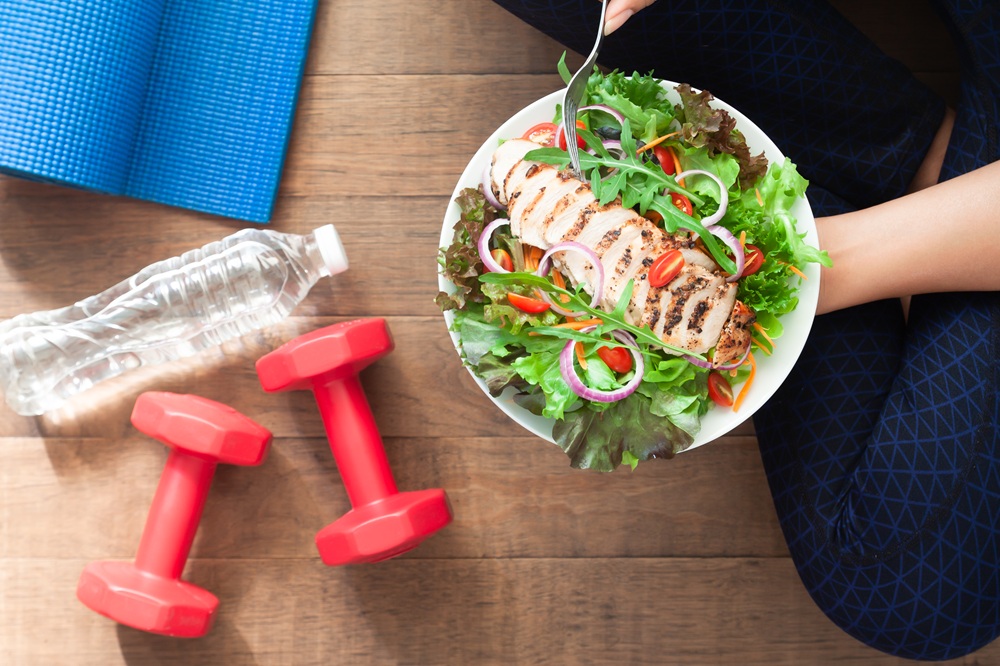
A good meal can combine a carbohydrate source with lean protein and moderate amounts of fat. For example, oatmeal topped with banana and yogurt can work well before a morning workout. Rice with grilled chicken and cooked vegetables may suit someone training later in the day. A potato with eggs and fruit can also provide a balanced combination.
The key is not to create an unusually large meal simply because a workout is coming. Eating far beyond your normal appetite may leave you feeling sluggish.
Consider these combinations:
- Oatmeal, banana, and Greek yogurt
- Rice, vegetables, and grilled chicken
- Whole-grain toast, eggs, and fruit
- Potato, cottage cheese, and berries
- Tofu with rice and cooked vegetables
The best choice is one that provides useful energy while remaining comfortable during movement.
Quick Foods for the One-Hour Window
Sometimes work, school, family responsibilities, or commuting leave very little time between eating and exercise. In that situation, a smaller snack can be more practical than a complete meal.
Bananas are convenient because they require almost no preparation. Toast with a small amount of honey or jam can provide carbohydrates without being overly heavy. Yogurt and fruit can work for people who tolerate dairy before exercise. Applesauce, a small smoothie, or a modest serving of cereal with milk can also be convenient choices.
thespoonathletic encourages women to pay attention to personal tolerance rather than assuming that a popular fitness food automatically makes a good pre-workout choice. A snack that works brilliantly for one person may cause bloating or discomfort for another.
When training soon after eating, consider limiting foods that you know are difficult to digest. Very large portions, excessive fiber, and heavy meals may be less comfortable immediately before intense exercise.
Pre-Workout Nutrition for Strength Training
Strength workouts place substantial demands on muscles, especially when sessions include multiple compound movements, challenging sets, or high training volume. Going into these workouts adequately fueled can help support training quality.
A meal containing carbohydrates and protein several hours beforehand can be a useful foundation. For example, a bowl of oats with milk and fruit provides carbohydrates alongside protein. A rice-based meal with tofu or chicken can work well for someone training later.
If the workout is shorter or less demanding, you may not need a large snack immediately beforehand. Your overall daily intake matters more than trying to create a dramatic energy boost from one food.
For women focused on resistance training, useful pre-workout choices may include:
- Banana with yogurt
- Toast with eggs
- Oatmeal with milk and fruit
- Rice with tofu
- Cereal with milk and berries
Consistency generally matters more than finding a supposedly perfect pre-workout ingredient.
Fueling Before Cardio and Endurance Exercise
Longer cardio sessions can increase the importance of carbohydrate availability. Running, cycling, swimming, hiking, dance workouts, and other endurance-focused activities may require more attention to fueling than a short, easy workout.
Before a longer session, carbohydrates can be particularly useful. A bowl of oatmeal with fruit, rice with a lean protein source, or toast paired with banana can provide a practical foundation.
For shorter cardio sessions, a full meal may not be necessary if you recently ate. A small snack can be enough, particularly when the exercise is moderate.
Hydration also becomes increasingly important as exercise duration and sweating increase. Drinking fluids consistently during the day can help you begin training in a better position than trying to consume a large amount immediately before exercise.
A Simple Pre-Workout Food Guide
| Time Before Exercise | Food Approach | Example |
|---|---|---|
| 2–3 hours | Balanced meal | Rice, chicken, vegetables |
| 1–2 hours | Moderate meal or snack | Oats, yogurt, banana |
| 30–60 minutes | Light, easy-to-digest snack | Toast with jam |
| Under 30 minutes | Small carbohydrate-focused option | Banana or applesauce |
| During longer sessions | Fluids and planned fueling | Water and suitable carbohydrates |
This table is a starting point rather than a strict prescription. Portion size should reflect appetite, body size, workout demands, and individual tolerance.
Morning Workout Nutrition Without the Heavy Feeling
Early workouts create a common challenge: you may want energy but have little interest in eating a full breakfast.
In that situation, keep the first intake simple. A banana, toast, yogurt, or a small smoothie may be easier to tolerate than a large breakfast. Some people naturally prefer exercising with little food early in the morning, while others feel noticeably weaker without a snack.
If you train soon after waking, hydration should also be considered. A glass of water can be a simple first step, followed by a small snack if needed.
After training, you can have a more complete breakfast containing carbohydrates and protein. For example, eggs with toast and fruit or oats with milk, yogurt, and berries can provide a satisfying post-workout meal.
The goal is not to force food before every session. Instead, identify whether eating improves your energy and performance.
Foods That May Feel Too Heavy Before Exercise
Healthy foods can still be uncomfortable immediately before training. The issue is often timing rather than whether the food itself is nutritious.
Large servings of fried foods, very rich sauces, high-fat meals, or unusually high-fiber dishes may take longer to digest. Some people may also experience discomfort after consuming large quantities of beans, raw vegetables, or spicy foods shortly before vigorous exercise.

That does not mean these foods are unhealthy. It simply means they may be better suited to another part of the day.
thespoonathletic suggests using your workouts as an opportunity to learn what your body handles comfortably. Keep a simple mental note of meals that leave you energized and foods that make you feel heavy, bloated, or distracted.
Building a Personalized Pre-Workout Routine
There is no need to completely redesign your diet around exercise. A better strategy is to build a repeatable routine that fits your schedule.
Start by identifying your workout time. Then consider when you normally eat. If you train shortly after lunch, lunch may already provide enough fuel. If you exercise several hours after your last meal, a snack may make sense.
Next, consider workout intensity. A relaxed 20-minute walk does not demand the same preparation as a 90-minute training session.
Finally, evaluate how you feel. Look for patterns in energy, hunger, digestion, and workout quality rather than judging one isolated session.
A simple routine could look like this:
- Eat a balanced meal several hours before training.
- Add a small snack if hunger appears closer to exercise.
- Drink fluids consistently throughout the day.
- Avoid experimenting with unfamiliar foods before important workouts.
- Adjust portion sizes according to training demands.
- Review your energy and digestion afterward.
Common Pre-Workout Nutrition Mistakes
One common mistake is waiting until the last minute to think about food. When hunger suddenly appears immediately before exercise, people may choose whatever is fastest, regardless of how it affects digestion.
Another mistake is assuming that more food automatically means more energy. An oversized meal can actually make exercise less comfortable.
Some women also focus heavily on supplements while overlooking basic nutrition. A well-timed meal and adequate hydration can provide a strong foundation without requiring complicated products.
Other mistakes include:
- Skipping meals throughout the day and relying on one snack before training
- Drinking too little water
- Eating unfamiliar foods before demanding workouts
- Consuming very large portions immediately before exercise
- Avoiding carbohydrates despite performing high-intensity training
- Copying another person’s diet without considering individual tolerance
A sustainable approach should make training easier, not turn every workout into a complicated nutrition calculation.
How Pre-Workout Nutrition Supports Better Training Habits
Pre-workout nutrition is ultimately about preparation. When you consistently arrive at workouts adequately fueled and hydrated, it becomes easier to concentrate on technique, effort, and progression.
thespoonathletic highlights a practical principle: nutrition should support your training rather than become another source of stress. You do not need an elaborate menu every day. Simple foods prepared in advance can make healthy choices easier when schedules become busy.
For example, keeping bananas, yogurt, oats, bread, fruit, and other convenient staples available can reduce last-minute decisions. Preparing rice, potatoes, eggs, or lean protein ahead of time can also make meals easier to assemble.
Over time, you can develop a short list of meals and snacks that reliably work for you. This personal menu can become more useful than constantly searching for new pre-workout foods.
Conclusion
Women’s pre-workout nutrition does not need to be complicated, restrictive, or identical from person to person. The strongest approach is based on adequate overall nutrition, sensible timing, carbohydrates for useful energy, protein as part of balanced meals, and consistent hydration. The right choice depends on when you train, how hard you train, how long the session lasts, and how your body responds to different foods. A substantial meal may be appropriate several hours before exercise, while a banana or toast may be more comfortable when only a short time remains.