

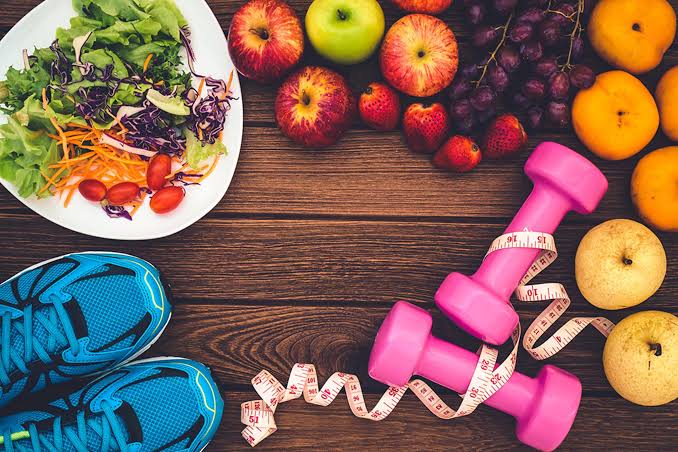
Good nutrition is one of the foundations of an active and energetic lifestyle. Exercise strengthens the body, but the food you eat supplies the fuel needed to train, recover, concentrate, and handle everyday responsibilities. A balanced approach does not require complicated diets or eliminating entire food groups. Instead, it focuses on choosing nutritious foods regularly and creating meals that provide carbohydrates, protein, healthy fats, vitamins, minerals, fiber, and fluids.
A practical nutrition routine can also make fitness goals easier to maintain. Whether you want to improve strength, support endurance, manage your weight, or simply feel more energetic throughout the day, consistent eating habits matter. The goal is not perfection at every meal. It is to develop a pattern that supports your body over time. The principles shared through thespoonathletic can help turn healthy eating into a realistic part of an active lifestyle.
Why Nutrition Matters for Fitness
Your body needs energy to move, exercise, work, sleep, and recover. When meals lack essential nutrients, you may experience low energy, poor concentration, or difficulty maintaining your workout routine. On the other hand, balanced meals can provide a steadier supply of fuel and help support normal physical performance.
Carbohydrates are an important energy source, particularly for active people. Protein provides amino acids that support muscle maintenance and repair, while dietary fats contribute to energy production and help the body absorb certain vitamins. Fruits, vegetables, whole grains, legumes, nuts, seeds, and other nutrient-rich foods also provide micronutrients and fiber that contribute to overall health.
Nutrition should therefore complement your training rather than compete with it. A useful approach is to consider what your body needs before, during, and after physical activity instead of focusing exclusively on calories.
Build a Balanced Plate
One of the simplest ways to improve everyday eating is to create balanced meals. Rather than measuring every ingredient, think about including several food groups on your plate.
A practical meal can contain:
- A protein source such as eggs, lentils, beans, yogurt, fish, chicken, tofu, or lean meat.
- A carbohydrate source such as oats, brown rice, potatoes, whole-grain bread, or other whole grains.
- Plenty of vegetables or fruit for fiber and micronutrients.
- A moderate amount of healthy fat from nuts, seeds, avocado, or suitable cooking oils.
- Water or another appropriate unsweetened drink for hydration.
This structure is flexible enough for different cuisines and personal preferences. For example, a traditional meal of dal, vegetables, rice, and yogurt can provide a useful combination of carbohydrates, protein, and micronutrients without requiring expensive specialty foods.
Choose Quality Carbohydrates for Energy
Carbohydrates often receive unnecessary criticism in fitness discussions. In reality, they can be an important source of fuel, especially for people who exercise regularly. The key is to consider the overall quality and quantity of carbohydrate-rich foods.
Whole or minimally processed options generally provide more fiber and nutrients than highly refined choices. Oats, whole grains, beans, lentils, fruits, and starchy vegetables can all fit into a balanced fitness diet.
Before exercise, a carbohydrate-rich snack can be useful when you need accessible energy. A banana, oatmeal, fruit with yogurt, or whole-grain toast can be convenient choices depending on the workout and your individual tolerance.
The right amount varies from person to person. Training intensity, body size, goals, meal timing, and total daily intake all influence carbohydrate needs.
Prioritize Protein Throughout the Day
Protein is particularly important for people who participate in strength training and other forms of regular exercise. Rather than relying on one large protein-heavy meal, distributing protein-containing foods across the day can make a balanced eating pattern easier to maintain.

Good options include dairy products, eggs, fish, poultry, lean meats, soy foods, beans, lentils, and other legumes. Plant-based eaters can combine different protein sources throughout their diet to meet their nutritional needs.
After resistance training, a meal containing protein alongside carbohydrates can support recovery as part of an overall nutritious diet. However, more protein is not automatically better. Total dietary needs depend on factors such as activity level, age, body size, and individual goals.
The balanced approach encouraged by thespoonathletic is to treat protein as one important part of the meal rather than making it the entire meal.
Healthy Fats Have a Place in Your Diet
Dietary fat is essential for normal body functions and helps with the absorption of fat-soluble vitamins. Healthy eating is therefore not about removing all fats from your meals.
Nutrient-rich sources include nuts, seeds, avocados, olives, and certain fish. Plant-based oils can also contribute healthy unsaturated fats when used appropriately.
Because fats are energy-dense, portion awareness can still be useful. Adding a handful of nuts to breakfast or including seeds in a salad may provide valuable nutrients without requiring large quantities.
A varied diet is generally more sustainable than following strict rules that label individual foods as completely good or bad.
Hydration Supports Performance
Even a nutritious diet cannot replace the importance of adequate fluid intake. Water plays an essential role in many processes throughout the body, and fluid losses increase during activities that cause substantial sweating.
Make hydration a daily habit instead of waiting until you feel extremely thirsty. Keep water accessible while working, traveling, or exercising. During longer or particularly demanding activities, individual fluid and electrolyte requirements can vary according to conditions and sweat losses.
Foods such as fruits and vegetables also contribute to overall fluid intake. However, water should remain a practical foundation for everyday hydration for most people.
Plan Meals Around Your Training
Meal timing does not have to become complicated. What matters most is your overall nutritional pattern, but arranging meals around exercise can help you feel more comfortable and energized.
Before training, choose foods that you digest comfortably. A lighter meal or snack may work well when exercise is close, while a larger meal can be appropriate when you have more time before activity.
After exercise, focus on a balanced meal that includes protein, carbohydrates, vegetables or fruit, and fluids. This can help replenish energy and provide nutrients needed for normal recovery.
Here is a simple example:
| Time | Meal Idea | Main Benefit |
|---|---|---|
| Breakfast | Oats, fruit, yogurt, and nuts | Energy and protein |
| Midday | Rice, dal, vegetables, and salad | Balanced nourishment |
| Pre-workout | Banana and yogurt | Convenient fuel |
| Post-workout | Eggs or tofu with whole grains and vegetables | Protein and carbohydrates |
| Evening | Fruit or a small handful of nuts | Nutrient-rich snack |
Smart Snacking for Consistent Energy
Snacks can be useful when there is a long gap between meals or when training increases your energy requirements. The best snack depends on your hunger, schedule, activity, and overall diet.
Instead of automatically reaching for highly processed foods, keep simple options available. Fresh fruit, yogurt, roasted legumes, nuts, seeds, or whole-grain foods can make nutritious choices more convenient.
At the same time, there is no need to feel guilty about enjoying occasional treats. A sustainable diet leaves room for foods that are chosen for pleasure as well as nutrition. Consistency is usually easier when healthy eating feels flexible rather than restrictive.
Foods Worth Including More Often
A varied grocery basket makes nutritious eating easier. Focus on foods that provide multiple nutrients rather than searching for a single “superfood.”
Consider regularly including:
- Colorful vegetables and seasonal fruits.
- Whole grains and other high-fiber carbohydrate sources.
- Beans, lentils, peas, and other legumes.
- Eggs, dairy, fish, poultry, tofu, or other protein foods.
- Nuts and seeds in sensible portions.
- Water and minimally sweetened beverages.
Different foods offer different nutrients, so variety matters. Eating the same limited group of foods every day can make a diet less enjoyable and may reduce nutritional diversity.
Create Sustainable Fitness Eating Habits
The most effective nutrition strategy is one you can follow consistently. Extreme restrictions may produce short-term changes but can be difficult to maintain when work, family responsibilities, travel, or social occasions interfere.
Start with manageable improvements. Add vegetables to one additional meal, prepare a protein-rich breakfast, replace sugary drinks with water more often, or keep nutritious snacks available.
You can also prepare basic ingredients in advance. Cooking grains, washing vegetables, preparing legumes, or portioning snacks can reduce the temptation to rely on convenience foods when you are busy.
Another useful habit is eating mindfully. Slow down when possible, pay attention to hunger and fullness, and avoid treating every meal as something that must be rushed.
Common Nutrition Mistakes to Avoid
Many fitness enthusiasts focus heavily on exercise while overlooking basic nutrition habits. Skipping meals, relying on supplements instead of food, drinking too little water, or dramatically cutting carbohydrates can make a routine harder to sustain.
Another common mistake is following someone else’s diet without considering individual needs. A meal plan designed for an endurance athlete may not suit someone with a different activity level or fitness goal.
Instead, use general principles and adjust them to your circumstances. If you have specific dietary requirements or a medical condition, professional nutritional guidance can help you make appropriate choices.
Make Nutrition Part of Your Fitness Lifestyle
Fitness is not built through a single workout or one perfect meal. It develops through repeated choices that support movement, recovery, sleep, hydration, and nourishment. A nutritious diet can provide the foundation needed to train consistently while helping you maintain energy for everyday life.
Use thespoonathletic as a reminder to approach nutrition with balance rather than extremes. Build meals around nutrient-rich foods, include sufficient protein and quality carbohydrates, choose healthy fats, stay hydrated, and allow flexibility for foods you enjoy.
The strongest nutrition routine is not necessarily the most complicated one. It is the one that fits your schedule, preferences, budget, and fitness goals well enough to become a lasting habit.
Conclusion
Healthy nutrition is about giving your body the resources it needs to perform, recover, and stay energized. Instead of chasing restrictive diets or quick fixes, focus on balanced meals, varied whole foods, adequate fluids, sensible portions, and consistent habits. Small improvements can create meaningful long-term results. Plan meals around your activity, choose nutritious snacks, include protein regularly, and make fruits and vegetables a routine part of your plate. With patience and consistency, food can become a powerful partner in your fitness journey. Ultimately, thespoonathletic represents a practical mindset: nourish your body, train intelligently, and build healthy habits that can continue well beyond a single fitness goal.