

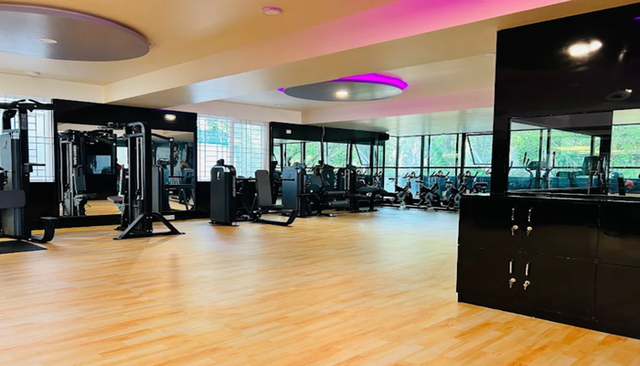
TheSpoonAthletic is a sports and fitness-focused concept that can be understood through its emphasis on physical activity, exercise, athletic performance, healthy routines, and practical approaches to staying active. For people interested in improving strength, endurance, mobility, or general wellness, it represents a broader approach to combining fitness habits with an active lifestyle.
Rather than viewing exercise as a short-term activity, TheSpoonAthletic can be explored as a fitness-oriented resource covering different aspects of athletic development. These may include workout planning, sports preparation, recovery, nutrition awareness, conditioning, and everyday movement. Understanding these areas can help beginners create realistic routines while giving experienced athletes ideas for improving their performance.
The Meaning and Purpose Behind TheSpoonAthletic
TheSpoonAthletic brings together two important areas: sports and fitness. Sports generally involve structured physical activities with specific skills, rules, and performance goals, while fitness focuses on physical capabilities such as cardiovascular endurance, muscular strength, flexibility, balance, and mobility.
A useful sports and fitness approach recognizes that these areas work together. Someone training for football, basketball, running, swimming, or another sport needs more than sport-specific skills. Strength training, cardiovascular conditioning, recovery, nutrition, and mobility can all influence how effectively a person performs.
The purpose of a platform or concept such as TheSpoonAthletic is therefore easier to understand when viewed from this wider perspective. It can provide ideas and educational information that help readers become more consistent with exercise and make physical activity part of their routine.
Key Areas Covered by a Sports and Fitness Guide
A complete athletic guide can address several areas instead of concentrating on one type of workout. This makes the information useful for people with different goals and experience levels.
| Fitness Area | Main Focus | Example Activities |
|---|---|---|
| Strength | Building muscular capacity | Squats, presses, resistance exercises |
| Cardio | Improving endurance | Running, cycling, swimming |
| Mobility | Supporting movement quality | Dynamic stretches, mobility drills |
| Conditioning | Preparing the body for activity | Circuits, intervals, agility drills |
| Recovery | Supporting rest and adaptation | Sleep, stretching, light activity |
| Nutrition | Supporting training and wellness | Balanced meals, hydration, protein-rich foods |
This broad structure makes sports and fitness easier to approach because individuals can identify the areas that match their current objectives. A recreational athlete may prioritize endurance and mobility, while someone focused on strength may spend more time on resistance training.
Workout Planning for Different Fitness Goals
One of the most important parts of TheSpoonAthletic is the idea that exercise should have a purpose. A workout designed for muscle development does not necessarily look the same as a routine intended to improve running endurance or athletic agility.
People beginning a fitness program can start by identifying one or two primary goals. Common objectives include building strength, improving cardiovascular health, increasing flexibility, developing athletic performance, managing body composition, or simply becoming more active.
A practical weekly routine might combine resistance training with cardiovascular exercise and mobility work. For example, a beginner could perform full-body strength exercises several times per week while adding walking, cycling, or another enjoyable cardio activity. The exact schedule should reflect experience, available time, recovery needs, and individual circumstances.
Consistency is generally more useful than creating an extremely demanding routine that becomes difficult to maintain. A manageable training plan allows people to develop exercise habits gradually.
Strength Training and Athletic Development
Strength is an important component of many sports and everyday physical activities. Resistance exercises can train major muscle groups while helping individuals develop better control over movement.
Basic movements such as squatting, hinging, pushing, pulling, carrying, and rotating can form the foundation of a well-rounded strength program. Athletes may then add exercises that correspond to the demands of their particular sport.
For example, a runner may emphasize lower-body strength and core stability, while a swimmer may combine strength work with shoulder mobility and upper-body conditioning. Someone playing a field sport may incorporate acceleration drills, lateral movement, jumping, and change-of-direction exercises.
TheSpoonAthletic can be viewed within this broader training philosophy: fitness should support the activities a person wants to perform rather than existing separately from everyday movement and sporting interests.
Cardiovascular Fitness and Endurance
Cardiovascular conditioning helps train the body’s ability to sustain physical activity. Running is a popular option, but it is not the only way to develop endurance. Cycling, swimming, brisk walking, rowing, dancing, and various recreational sports can also provide cardiovascular exercise.
Beginners should avoid assuming that every cardio session needs to be intense. Moderate activities performed consistently can be a practical starting point. As fitness develops, individuals can gradually experiment with longer sessions, faster intervals, hills, or sport-specific conditioning.
For athletes, endurance training can also be structured around competition demands. A distance runner may focus on sustained aerobic work, whereas a basketball player may benefit from repeated bursts of movement separated by recovery periods.
Mobility, Flexibility, and Movement Quality
Mobility is sometimes overlooked when people focus mainly on strength or cardio. However, comfortable movement across an appropriate range of motion can contribute to efficient exercise technique and everyday physical function.
Dynamic movements before training can help prepare the body for activity, while slower flexibility exercises may be incorporated into cooldowns or separate mobility sessions. Joint mobility, balance, coordination, and controlled movement can all have a place in a comprehensive fitness routine.
The goal is not necessarily to become extremely flexible. Instead, mobility work should support the movements required by an individual’s activities. Someone who spends much of the day sitting may benefit from regular movement breaks and simple mobility exercises, while an athlete may require a more specialized routine.
Sports Training and Performance Preparation
Sports training usually requires more than general fitness. Athletes must develop skills and physical qualities that match their sport.
Important components can include:
- Speed and acceleration
- Agility and coordination
- Sport-specific technique
- Reaction ability
- Strength and power
- Aerobic and anaerobic conditioning
For example, a tennis player may need rapid changes of direction, rotational power, coordination, and repeated bursts of movement. A cyclist may place greater emphasis on endurance and leg strength. A football player may combine sprinting, agility, technical skills, and conditioning.
This is where a structured athletic approach becomes useful. Instead of performing random exercises, training can be connected to the demands of the chosen sport.
Nutrition and Hydration for Active Lifestyles
Exercise and nutrition are closely connected. The body requires energy and nutrients to support daily activities, training, recovery, and normal physiological functions.
A balanced eating pattern can include a variety of vegetables, fruits, whole grains, protein sources, healthy fats, and adequate fluids. Individual nutritional requirements vary depending on factors such as activity level, body size, training volume, goals, and personal dietary needs.
Hydration is also important, particularly during prolonged or demanding exercise. Water is often sufficient for ordinary daily activity, while longer or more intense sessions may require consideration of fluid and electrolyte needs.
TheSpoonAthletic should therefore be considered alongside the broader principle that exercise, nutrition, hydration, and recovery work together rather than functioning as isolated parts of fitness.
Recovery and Rest in a Fitness Routine
Training places stress on the body, and recovery gives it an opportunity to adapt. Rest should therefore be treated as part of a training program rather than as wasted time.
Quality sleep, appropriate rest days, sufficient food, hydration, and sensible training volume can all contribute to recovery. Light movement, such as walking or gentle mobility work, may also be useful between demanding sessions.
A common mistake is increasing exercise volume too quickly. When training becomes excessively difficult or recovery is consistently inadequate, performance and motivation may suffer. Gradual progression is a more sustainable approach for many people.
How Beginners Can Use Sports and Fitness Information
Someone new to exercise does not need an advanced program immediately. Starting with fundamental movements and realistic goals can make the process easier.
A beginner can focus on:
- Establishing a regular exercise schedule.
- Learning basic movement techniques.
- Combining strength, cardio, and mobility.
- Increasing training demands gradually.
- Giving adequate attention to rest and nutrition.
Keeping a simple record of workouts can also help identify progress. Rather than focusing only on body weight, people can monitor improvements in exercise consistency, strength, endurance, movement quality, or sporting performance.
TheSpoonAthletic fits naturally into this educational approach because sports and fitness information becomes more useful when it helps people understand why they are performing particular activities and how those activities connect to broader goals.
Creating a Sustainable Athletic Lifestyle
Fitness becomes easier to maintain when it fits realistically into everyday life. A training routine that requires excessive time or motivation may be difficult to sustain, especially for people balancing work, education, family responsibilities, or other commitments.
Choosing enjoyable activities can improve long-term consistency. Someone who dislikes running does not need to run to remain active. Cycling, swimming, team sports, strength training, walking, hiking, or recreational activities can provide alternatives.
Progress can also be gradual. Increasing repetitions, improving technique, adding resistance, extending an activity, or becoming more consistent can all represent meaningful development.
TheSpoonAthletic can be understood as part of this larger active-lifestyle perspective, where fitness is not limited to gym sessions but includes movement, sport, recovery, nutrition, and sustainable habits.
Conclusion
TheSpoonAthletic represents a broad sports and fitness perspective centered on exercise, athletic development, conditioning, mobility, recovery, nutrition, and active living. Its value lies in understanding how these components can work together rather than treating fitness as a single type of workout.
Whether someone is a beginner looking to establish healthier habits or an experienced athlete seeking better preparation, the fundamentals remain important: set realistic goals, train consistently, progress gradually, recover properly, and choose activities that can be maintained over time.
A balanced approach to sports and fitness can make physical activity more practical and sustainable. By combining structured exercise with good recovery, sensible nutrition, and regular movement, individuals can build a routine that supports both athletic performance and everyday well-being.
TheSpoonAthletic is a sports and fitness-focused concept that can be understood through its emphasis on physical activity, exercise, athletic performance, healthy routines, and practical approaches to staying active. For people interested in improving strength, endurance, mobility, or general wellness, it represents a broader approach to combining fitness habits with an active lifestyle.
Rather than viewing exercise as a short-term activity, TheSpoonAthletic can be explored as a fitness-oriented resource covering different aspects of athletic development. These may include workout planning, sports preparation, recovery, nutrition awareness, conditioning, and everyday movement. Understanding these areas can help beginners create realistic routines while giving experienced athletes ideas for improving their performance.
The Meaning and Purpose Behind TheSpoonAthletic
TheSpoonAthletic brings together two important areas: sports and fitness. Sports generally involve structured physical activities with specific skills, rules, and performance goals, while fitness focuses on physical capabilities such as cardiovascular endurance, muscular strength, flexibility, balance, and mobility.
A useful sports and fitness approach recognizes that these areas work together. Someone training for football, basketball, running, swimming, or another sport needs more than sport-specific skills. Strength training, cardiovascular conditioning, recovery, nutrition, and mobility can all influence how effectively a person performs.
The purpose of a platform or concept such as TheSpoonAthletic is therefore easier to understand when viewed from this wider perspective. It can provide ideas and educational information that help readers become more consistent with exercise and make physical activity part of their routine.
Key Areas Covered by a Sports and Fitness Guide
A complete athletic guide can address several areas instead of concentrating on one type of workout. This makes the information useful for people with different goals and experience levels.
| Fitness Area | Main Focus | Example Activities |
|---|---|---|
| Strength | Building muscular capacity | Squats, presses, resistance exercises |
| Cardio | Improving endurance | Running, cycling, swimming |
| Mobility | Supporting movement quality | Dynamic stretches, mobility drills |
| Conditioning | Preparing the body for activity | Circuits, intervals, agility drills |
| Recovery | Supporting rest and adaptation | Sleep, stretching, light activity |
| Nutrition | Supporting training and wellness | Balanced meals, hydration, protein-rich foods |
This broad structure makes sports and fitness easier to approach because individuals can identify the areas that match their current objectives. A recreational athlete may prioritize endurance and mobility, while someone focused on strength may spend more time on resistance training.
Workout Planning for Different Fitness Goals
One of the most important parts of TheSpoonAthletic is the idea that exercise should have a purpose. A workout designed for muscle development does not necessarily look the same as a routine intended to improve running endurance or athletic agility.
People beginning a fitness program can start by identifying one or two primary goals. Common objectives include building strength, improving cardiovascular health, increasing flexibility, developing athletic performance, managing body composition, or simply becoming more active.
A practical weekly routine might combine resistance training with cardiovascular exercise and mobility work. For example, a beginner could perform full-body strength exercises several times per week while adding walking, cycling, or another enjoyable cardio activity. The exact schedule should reflect experience, available time, recovery needs, and individual circumstances.
Consistency is generally more useful than creating an extremely demanding routine that becomes difficult to maintain. A manageable training plan allows people to develop exercise habits gradually.
Strength Training and Athletic Development
Strength is an important component of many sports and everyday physical activities. Resistance exercises can train major muscle groups while helping individuals develop better control over movement.
Basic movements such as squatting, hinging, pushing, pulling, carrying, and rotating can form the foundation of a well-rounded strength program. Athletes may then add exercises that correspond to the demands of their particular sport.
For example, a runner may emphasize lower-body strength and core stability, while a swimmer may combine strength work with shoulder mobility and upper-body conditioning. Someone playing a field sport may incorporate acceleration drills, lateral movement, jumping, and change-of-direction exercises.
TheSpoonAthletic can be viewed within this broader training philosophy: fitness should support the activities a person wants to perform rather than existing separately from everyday movement and sporting interests.
Cardiovascular Fitness and Endurance
Cardiovascular conditioning helps train the body’s ability to sustain physical activity. Running is a popular option, but it is not the only way to develop endurance. Cycling, swimming, brisk walking, rowing, dancing, and various recreational sports can also provide cardiovascular exercise.
Beginners should avoid assuming that every cardio session needs to be intense. Moderate activities performed consistently can be a practical starting point. As fitness develops, individuals can gradually experiment with longer sessions, faster intervals, hills, or sport-specific conditioning.
For athletes, endurance training can also be structured around competition demands. A distance runner may focus on sustained aerobic work, whereas a basketball player may benefit from repeated bursts of movement separated by recovery periods.
Mobility, Flexibility, and Movement Quality
Mobility is sometimes overlooked when people focus mainly on strength or cardio. However, comfortable movement across an appropriate range of motion can contribute to efficient exercise technique and everyday physical function.
Dynamic movements before training can help prepare the body for activity, while slower flexibility exercises may be incorporated into cooldowns or separate mobility sessions. Joint mobility, balance, coordination, and controlled movement can all have a place in a comprehensive fitness routine.
The goal is not necessarily to become extremely flexible. Instead, mobility work should support the movements required by an individual’s activities. Someone who spends much of the day sitting may benefit from regular movement breaks and simple mobility exercises, while an athlete may require a more specialized routine.
Sports Training and Performance Preparation
Sports training usually requires more than general fitness. Athletes must develop skills and physical qualities that match their sport.
Important components can include:
- Speed and acceleration
- Agility and coordination
- Sport-specific technique
- Reaction ability
- Strength and power
- Aerobic and anaerobic conditioning
For example, a tennis player may need rapid changes of direction, rotational power, coordination, and repeated bursts of movement. A cyclist may place greater emphasis on endurance and leg strength. A football player may combine sprinting, agility, technical skills, and conditioning.
This is where a structured athletic approach becomes useful. Instead of performing random exercises, training can be connected to the demands of the chosen sport.
Nutrition and Hydration for Active Lifestyles
Exercise and nutrition are closely connected. The body requires energy and nutrients to support daily activities, training, recovery, and normal physiological functions.
A balanced eating pattern can include a variety of vegetables, fruits, whole grains, protein sources, healthy fats, and adequate fluids. Individual nutritional requirements vary depending on factors such as activity level, body size, training volume, goals, and personal dietary needs.
Hydration is also important, particularly during prolonged or demanding exercise. Water is often sufficient for ordinary daily activity, while longer or more intense sessions may require consideration of fluid and electrolyte needs.
TheSpoonAthletic should therefore be considered alongside the broader principle that exercise, nutrition, hydration, and recovery work together rather than functioning as isolated parts of fitness.
Recovery and Rest in a Fitness Routine
Training places stress on the body, and recovery gives it an opportunity to adapt. Rest should therefore be treated as part of a training program rather than as wasted time.
Quality sleep, appropriate rest days, sufficient food, hydration, and sensible training volume can all contribute to recovery. Light movement, such as walking or gentle mobility work, may also be useful between demanding sessions.
A common mistake is increasing exercise volume too quickly. When training becomes excessively difficult or recovery is consistently inadequate, performance and motivation may suffer. Gradual progression is a more sustainable approach for many people.
How Beginners Can Use Sports and Fitness Information
Someone new to exercise does not need an advanced program immediately. Starting with fundamental movements and realistic goals can make the process easier.
A beginner can focus on:
- Establishing a regular exercise schedule.
- Learning basic movement techniques.
- Combining strength, cardio, and mobility.
- Increasing training demands gradually.
- Giving adequate attention to rest and nutrition.
Keeping a simple record of workouts can also help identify progress. Rather than focusing only on body weight, people can monitor improvements in exercise consistency, strength, endurance, movement quality, or sporting performance.
TheSpoonAthletic fits naturally into this educational approach because sports and fitness information becomes more useful when it helps people understand why they are performing particular activities and how those activities connect to broader goals.
Creating a Sustainable Athletic Lifestyle
Fitness becomes easier to maintain when it fits realistically into everyday life. A training routine that requires excessive time or motivation may be difficult to sustain, especially for people balancing work, education, family responsibilities, or other commitments.
Choosing enjoyable activities can improve long-term consistency. Someone who dislikes running does not need to run to remain active. Cycling, swimming, team sports, strength training, walking, hiking, or recreational activities can provide alternatives.
Progress can also be gradual. Increasing repetitions, improving technique, adding resistance, extending an activity, or becoming more consistent can all represent meaningful development.
TheSpoonAthletic can be understood as part of this larger active-lifestyle perspective, where fitness is not limited to gym sessions but includes movement, sport, recovery, nutrition, and sustainable habits.
Conclusion
TheSpoonAthletic represents a broad sports and fitness perspective centered on exercise, athletic development, conditioning, mobility, recovery, nutrition, and active living. Its value lies in understanding how these components can work together rather than treating fitness as a single type of workout.
Whether someone is a beginner looking to establish healthier habits or an experienced athlete seeking better preparation, the fundamentals remain important: set realistic goals, train consistently, progress gradually, recover properly, and choose activities that can be maintained over time.
A balanced approach to sports and fitness can make physical activity more practical and sustainable. By combining structured exercise with good recovery, sensible nutrition, and regular movement, individuals can build a routine that supports both athletic performance and everyday well-being.