


TheSpoonAthletic brings together three important areas of an active lifestyle: sports, structured training, and healthy living. Instead of treating fitness as a single activity, this approach looks at how exercise, nutrition, recovery, and everyday habits work together. Whether someone enjoys competitive sports, strength training, running, or simple recreational activities, a balanced routine can support better physical performance and long-term well-being.
A useful fitness plan does not need to be complicated. The key is choosing activities that match personal goals, current ability, available time, and lifestyle. TheSpoonAthletic can be viewed as a source of ideas for people who want to understand training principles while developing healthier daily routines.
Understanding the Role of Sports in an Active Lifestyle
Sports provide more than physical movement. Activities such as football, basketball, tennis, swimming, cycling, and athletics can develop coordination, agility, endurance, balance, and reaction speed. They can also encourage consistency because regular participation gives people a practical reason to remain active.
Different sports place different demands on the body. A long-distance runner may need to focus heavily on cardiovascular endurance, while a tennis player may require a combination of speed, mobility, strength, and quick changes of direction. This makes sport-specific preparation an important part of effective training.
TheSpoonAthletic encourages a broader view of athletic development, where performance is supported by appropriate conditioning rather than relying on one type of exercise. Beginners can start with manageable activities and gradually increase their workload as their fitness improves.
Building a Training Routine That Fits Your Goals
A successful training program begins with a clear objective. Someone preparing for a sporting event will need a different routine from a person who simply wants to improve general fitness. Common goals include building strength, increasing endurance, improving flexibility, developing athletic performance, or maintaining an active lifestyle.
Training can include several complementary components:
- Strength training: Builds muscular strength and supports functional movement.
- Cardiovascular exercise: Improves endurance and helps develop aerobic capacity.
- Mobility work: Helps maintain comfortable and controlled movement.
- Skill practice: Develops techniques required for a particular sport.
- Recovery sessions: Give the body opportunities to adapt to training.
TheSpoonAthletic approach is useful when these elements are considered as parts of one system. A person does not necessarily need to train intensely every day. Consistency, appropriate progression, and sufficient recovery are generally more sustainable than constantly exercising at maximum effort.
Strength Training for Everyday Performance
Strength training is valuable for athletes and non-athletes alike. Exercises such as squats, lunges, presses, rows, and controlled bodyweight movements can develop strength that transfers into everyday activities and sports.
Beginners should concentrate on learning proper movement patterns before adding substantial resistance. Good technique can help make training more controlled and efficient. As experience increases, variables such as resistance, repetitions, sets, exercise selection, and training frequency can be adjusted.
TheSpoonAthletic perspective also highlights the importance of individualization. A training routine should account for experience, schedule, equipment, goals, and recovery capacity instead of copying another person’s program without modification.
Cardio, Endurance and Athletic Conditioning
Cardiovascular fitness supports activities that require sustained effort. Walking, jogging, cycling, swimming, rowing, and many sports can contribute to endurance development. The right activity depends on preferences, fitness level, and specific goals.
Training intensity can vary. Lower-intensity sessions may be useful for building an aerobic foundation, while appropriately planned higher-intensity intervals can challenge cardiovascular capacity. However, beginners do not need to start with demanding workouts. Gradual progression allows the body to adjust to increased activity.
For athletes, conditioning can also be designed around the demands of their sport. A football player, for example, may benefit from repeated short bursts of movement, whereas a distance runner generally needs greater emphasis on sustained aerobic work.
Nutrition as Part of Healthy Living
Exercise alone does not define a healthy lifestyle. Food provides energy and nutrients required for normal body functions, physical activity, and recovery. A balanced eating pattern can include vegetables, fruits, whole grains, protein-rich foods, healthy fats, and adequate fluids.
Protein is important for maintaining and repairing body tissues, while carbohydrates provide a major source of energy during many forms of physical activity. Dietary fats also have important physiological roles. Hydration should receive attention because fluid needs can increase with exercise, heat, and sweating.
TheSpoonAthletic can be useful as a reminder that nutrition should complement training rather than become unnecessarily restrictive. Individual nutritional needs differ, and people with specific medical or dietary requirements should seek appropriate professional advice.
Recovery: The Often-Ignored Side of Training
Progress does not come only from workouts. Recovery gives the body time to adapt to physical stress. Sleep, rest days, appropriate nutrition, hydration, and sensible training volume all contribute to recovery.
A person who continually increases exercise without allowing adequate recovery may experience persistent tiredness, declining performance, or difficulty maintaining motivation. Rest should therefore be considered part of the training plan rather than a sign of poor discipline.
TheSpoonAthletic approach to healthy living works best when hard training and recovery are treated as complementary. An effective weekly schedule may combine demanding sessions with lighter movement and dedicated rest periods.
| Fitness Area | Useful Activities | Primary Focus |
|---|---|---|
| Strength | Resistance exercises, bodyweight training | Muscular strength |
| Endurance | Walking, running, cycling, swimming | Cardiovascular capacity |
| Mobility | Dynamic movement, stretching | Range of motion |
| Sports skills | Drills, practice sessions | Technique and coordination |
| Recovery | Sleep, rest, light activity | Adaptation and restoration |
Creating Sustainable Healthy Habits
Healthy living is easier to maintain when habits fit naturally into everyday life. A person with a busy schedule may benefit more from short, consistent workouts than from an ambitious plan that becomes difficult to follow.
Simple habits can make an active lifestyle more manageable. Taking regular walking breaks, preparing balanced meals, maintaining a consistent sleep schedule, and scheduling workouts in advance can reduce the friction involved in staying active.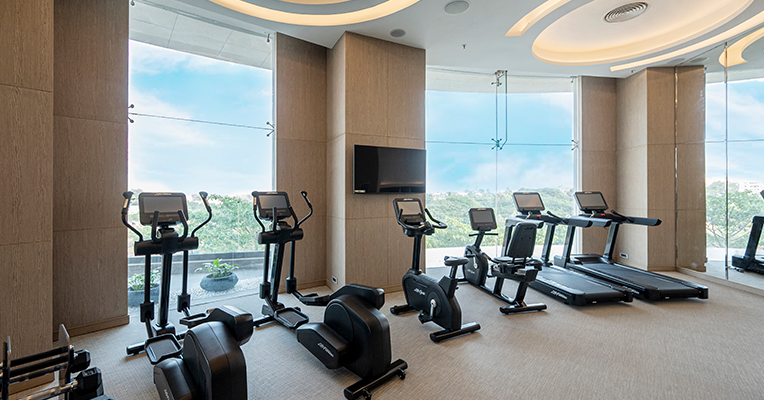
TheSpoonAthletic concept also supports the idea that fitness is not limited to gym sessions. Everyday movement matters. Walking to nearby destinations, using stairs when appropriate, participating in recreational sports, or spending time outdoors can all contribute to a more active routine.
How Beginners Can Start Without Overcomplicating Fitness
Starting a new fitness routine can feel difficult when there is too much information to process. Beginners can simplify the process by focusing on basic movement, moderate activity, and consistency.
A practical starting structure might include a few weekly sessions combining basic strength exercises with walking or another enjoyable form of cardio. Mobility exercises can be added before or after training, while rest days provide time for recovery.
The goal should be gradual improvement rather than immediate perfection. Increasing activity slowly allows individuals to learn what their bodies tolerate and which routines they can realistically maintain.
Using Training Principles for Better Progress
Several basic principles can make a fitness routine more effective. Progressive overload means gradually increasing an appropriate training challenge over time. Specificity means training should reflect the demands of the desired activity or sport. Consistency provides repeated exposure to training, while recovery allows adaptation.
TheSpoonAthletic framework can connect these principles with practical lifestyle choices. For example, someone training for a recreational cycling event may combine cycling sessions with lower-body strength work, mobility exercises, adequate nutrition, and sufficient sleep.
Tracking progress can also be useful. Instead of focusing exclusively on body weight, people can monitor improvements in strength, endurance, movement quality, training consistency, or sports performance. These measures often provide a broader picture of physical development.
Avoiding Common Training Mistakes
One common mistake is increasing training volume too quickly. Enthusiasm can encourage beginners to do too much before their bodies have adapted. Another problem is neglecting technique in favor of heavier weights or faster performance.
Other mistakes include skipping recovery, ignoring persistent discomfort, following unsuitable programs, and treating nutrition as a short-term restriction. A sustainable approach is generally based on realistic goals and gradual adjustments.
TheSpoonAthletic perspective can help organize these areas into a balanced routine. Fitness should support everyday life rather than become a source of unnecessary pressure.
Making Fitness a Long-Term Lifestyle
Long-term fitness depends heavily on sustainability. People are more likely to remain active when they enjoy their chosen activities and can fit them into their normal schedules. Variety can also prevent boredom by combining different forms of exercise.
Sports can provide enjoyment and competition, strength training can develop physical capacity, and outdoor activities can make movement more engaging. Healthy meals and consistent recovery then provide supporting habits around those activities.
TheSpoonAthletic is therefore relevant to more than organized athletes. Its central themes can apply to anyone interested in improving movement, physical conditioning, nutrition awareness, and everyday wellness.
Conclusion
TheSpoonAthletic Guide shows how sports, training, nutrition, recovery, and daily habits can work together to create a balanced approach to healthy living. Effective fitness does not require an extreme routine or constant high-intensity workouts. It requires appropriate activity, gradual progression, sensible nutrition, adequate recovery, and habits that can be maintained over time.
Whether the goal is better athletic performance or simply a more active lifestyle, the fundamentals remain similar: move regularly, train with purpose, recover properly, and choose realistic habits. A balanced approach makes fitness more practical and creates a stronger foundation for long-term physical well-being.