


Grip strength is often treated as a small component of fitness, yet it influences a surprisingly large number of physical activities. Whether someone is lifting weights, carrying equipment, climbing, playing sports, or performing routine household tasks, the hands and forearms help transfer force between the body and an object. A weak grip can therefore become a limiting factor even when larger muscle groups are strong. Understanding this connection is one reason thespoonathletic highlights grip strength as an important part of balanced athletic development.
Grip training is not limited to competitive athletes or experienced gym users. Beginners can also benefit from exercises that develop the muscles responsible for gripping, squeezing, holding, and controlling objects. Improving these abilities may contribute to stronger workouts, better movement control, and greater confidence during physical activities. The goal is not simply to make the hands stronger but to create a more capable connection between the upper body and the objects being moved.
The Connection Between Grip Strength and Total-Body Performance
Many strength exercises require the hands to maintain contact with equipment while the rest of the body produces force. Consider movements such as deadlifts, rows, pull-ups, farmer’s carries, kettlebell exercises, and barbell work. In each case, the grip must remain secure enough to allow the larger muscles to perform effectively.
When grip strength becomes the weak link, an individual may stop an exercise because the hands or forearms are tired before the target muscles receive adequate stimulation. Developing grip capacity can help reduce this limitation during suitable training sessions.
thespoonathletic emphasizes that grip strength should be viewed as part of a larger performance system rather than an isolated hand exercise. Stronger hands and forearms can support better control, while improved control can help athletes focus on technique, posture, and force production.
Key Grip Strength Training Benefits
Grip training can produce several useful adaptations when performed consistently and with appropriate progression. The benefits extend beyond squeezing a hand gripper repeatedly.
Some important advantages include:
- Better control of weights and training equipment
- Improved endurance during prolonged holding activities
- Greater forearm strength
- Stronger performance in pulling exercises
- Enhanced object-handling ability
- Better support for climbing and racket sports
- Increased confidence during strength training
- Improved capacity for everyday carrying and lifting tasks
The exact benefits depend on the exercises selected, training frequency, existing fitness level, and individual goals. Someone training for climbing may prioritize sustained gripping and finger control, while a power athlete may focus more on maximum-force holds. A recreational exerciser may simply want stronger hands for workouts and daily activities.
How Grip Strength Supports Weight Training
Grip strength can play a significant role in resistance training. Exercises that involve pulling or carrying require the hands to maintain a reliable connection with the equipment. If the grip gives out early, the exercise may end before the targeted muscles reach their intended workload.
Deadlifts are a clear example. The legs, hips, and back generate substantial force, but the hands must hold the bar securely. Similarly, rows require a stable grip so the athlete can concentrate on controlled pulling mechanics.

Developing grip strength can make these exercises feel more manageable over time. It may also improve training consistency because the athlete is less likely to experience premature hand or forearm fatigue.
According to thespoonathletic, grip work can complement a broader strength program rather than replacing major compound exercises. A few focused movements added to an existing routine may be enough to create meaningful progress without overwhelming the training schedule.
Grip Strength and Athletic Performance
Athletes in different sports use their hands in different ways, but grip capability is frequently important. Racquet sports require firm yet responsive control. Combat sports involve gripping, holding, and resisting. Gymnastics and climbing demand substantial hand and forearm endurance. Even field athletes may benefit from stronger hands when handling equipment or maintaining control during physical contact.
Grip training can also develop qualities such as endurance, coordination, and force control. These qualities are valuable because athletic performance rarely depends on raw strength alone. The ability to apply the right amount of force at the right moment can be equally important.
For example, an athlete who grips a racket excessively may create unnecessary tension, while insufficient grip pressure can reduce control. Effective training should therefore develop both strength and functional control rather than focusing exclusively on maximum squeezing force.
Different Types of Grip to Train
Grip strength is not a single quality. Several forms of grip can be trained, and each serves different purposes.
| Grip Type | Main Purpose | Example Exercise |
|---|---|---|
| Crush Grip | Squeezing strength | Hand gripper |
| Support Grip | Holding objects for time | Farmer’s carry |
| Pinch Grip | Thumb and finger strength | Plate pinch |
| Open-Hand Grip | Control with less finger closure | Thick-handle holds |
| Wrist Grip | Wrist and forearm stability | Wrist curls and extensions |
A balanced program can include more than one grip style. This helps prevent training from becoming overly specialized. Someone who only practices short, intense squeezes may develop good crushing strength but still struggle with longer carrying tasks.
Effective Exercises for Building Grip Strength
One of the advantages of grip training is that many exercises require minimal equipment. Simple movements can be adjusted according to strength level and training objectives.
Farmer’s carries involve walking while holding weights at the sides. They train support grip while also challenging posture, shoulders, core stability, and coordination.
Dead hangs require an individual to hang from a secure bar for a controlled period. They can build grip endurance and are especially useful for people interested in climbing or calisthenics.
Plate pinches involve holding weight plates between the thumb and fingers. This targets pinch strength, which is different from traditional squeezing exercises.
Hand grippers provide a convenient way to train crushing strength. Resistance should be selected carefully so that repetitions can be completed with controlled movement rather than excessive strain.
Towel holds can introduce an unstable gripping surface and challenge the hands differently from a standard bar.
Wrist exercises can strengthen supporting muscles around the forearms and wrists, helping create a more complete approach to hand strength.
How Beginners Can Start Safely
Grip training does not need to be complicated. Beginners can start with two or three exercises performed once or twice per week. The initial goal should be developing consistency and learning proper control rather than immediately pursuing maximum resistance.
A basic starting session might include:
- Farmer’s carry: 2–3 controlled rounds
- Dead hang: 2–3 short holds
- Light hand-gripper work: 2 sets
- Wrist extensions: 2 sets
- Plate pinch: 2 controlled holds
Rest should be sufficient to maintain good technique. The hands and forearms contain relatively small muscles and connective tissues that can become irritated when training volume increases too quickly.
thespoonathletic recommends approaching grip development progressively, especially for beginners. Increasing resistance, duration, or total repetitions gradually allows the body to adapt while reducing the temptation to perform excessive amounts of grip work.
Grip Endurance Versus Maximum Grip Strength
Not every athlete needs the same type of grip. Maximum grip strength refers to the greatest force someone can produce during a strong gripping effort. Grip endurance describes the ability to maintain force over an extended period.
These qualities overlap but are not identical.
A powerlifter may need considerable maximum grip strength for heavy lifts, while a climber may require the ability to maintain gripping effort repeatedly. A warehouse worker, hiker, or recreational athlete may benefit from greater endurance because their activities involve carrying or holding objects for longer periods.
Training should therefore reflect the demands of the activity. Short, heavy holds can be useful for maximum strength, while longer carries and sustained holds can develop endurance.
How Grip Training Can Improve Everyday Activities
The value of grip strength extends well beyond structured exercise. Everyday movements frequently require the hands to hold, carry, pull, or manipulate objects.
Opening stubborn containers, carrying grocery bags, moving luggage, using tools, lifting boxes, and holding household equipment all depend on hand strength and endurance. Stronger grip capacity can make these activities feel more comfortable and controlled.
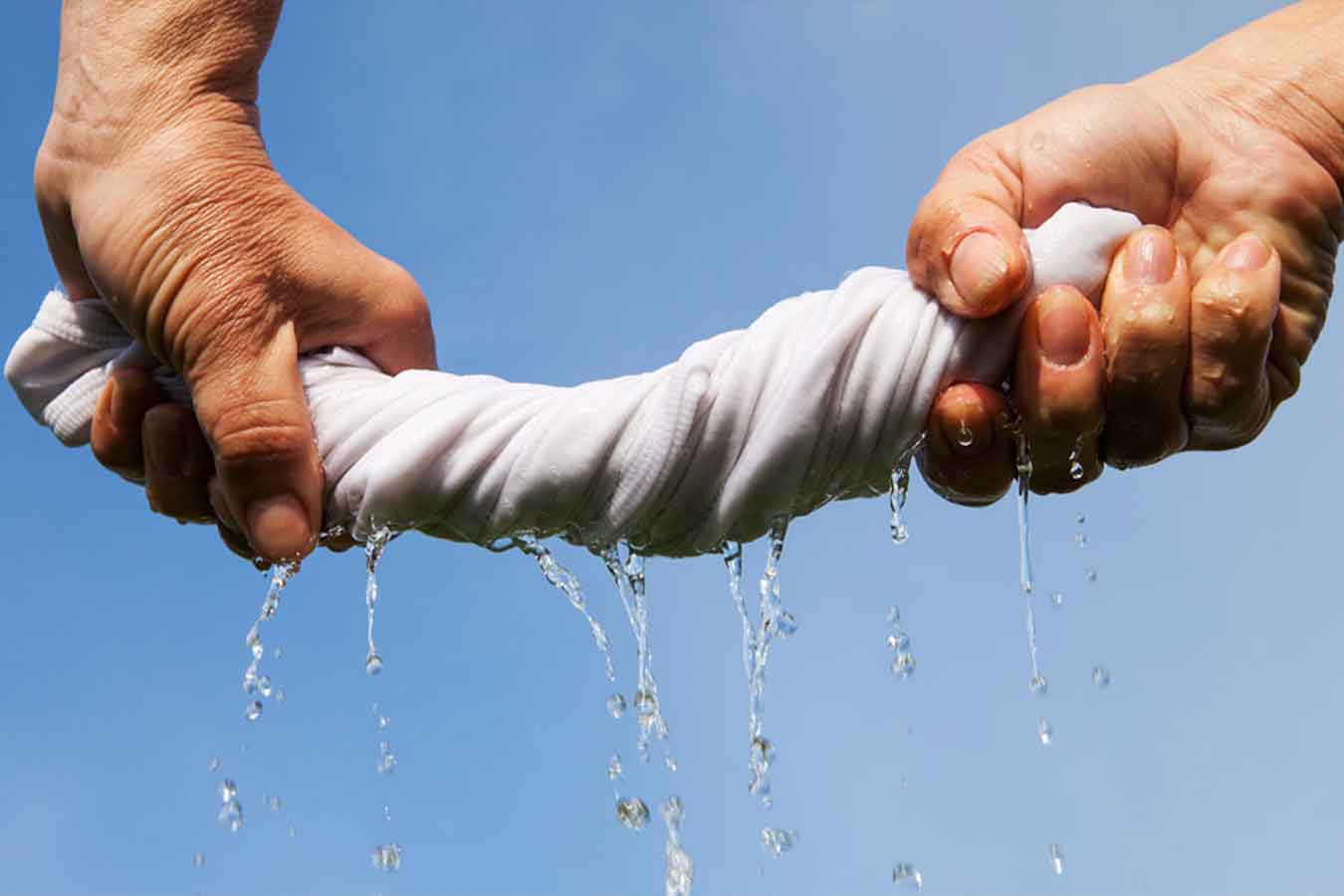
This practical dimension makes grip training appealing even to people who are not focused on athletic competition. Building physical capacity for everyday movement can contribute to greater independence and confidence.
The key is to keep expectations realistic. Grip exercises cannot solve every physical limitation, and general strength, mobility, coordination, sleep, nutrition, and recovery remain important parts of overall fitness.
The Role of Forearms and Wrists
Grip performance depends on more than the fingers. The forearms contain muscles that contribute to finger movement and wrist positioning, while the wrist provides an important connection between the hand and lower arm.
A strong grip therefore benefits from balanced development. Training should not focus exclusively on squeezing movements while ignoring wrist control and forearm endurance.
Exercises such as wrist extensions, controlled curls, carries, and rotational movements can complement direct gripping work. Maintaining controlled technique is particularly important because the wrist often experiences substantial forces during resistance training and sports.
A well-rounded program can help create stronger movement mechanics while reducing excessive dependence on one type of grip exercise.
Common Grip Training Mistakes to Avoid
Grip exercises may look simple, but poor programming can reduce their effectiveness. One common mistake is performing too much volume too frequently. Because the hands and forearms are involved in many other exercises, they may already receive indirect training during the week.
Another mistake is using resistance that is too heavy. When technique breaks down, the intended training effect can be reduced, and unnecessary stress may be placed on the wrists or fingers.
Other mistakes include:
- Training grip intensely every day
- Ignoring recovery
- Using poor-quality equipment
- Holding the breath unnecessarily
- Increasing resistance too quickly
- Training only one grip style
- Neglecting wrist and forearm mobility
- Comparing grip strength with others instead of tracking personal progress
Progress should be measured against an individual’s previous performance rather than someone else’s numbers.
Creating a Balanced Weekly Grip Routine
A practical grip routine should complement the main training program. If someone already performs several pulling and carrying exercises, only a small amount of additional grip work may be necessary.
For a general fitness routine, grip exercises can be placed toward the end of two weekly workouts. This prevents grip fatigue from interfering with exercises that require a fresh and secure hand connection.
A sample structure could look like this:
Day One: Farmer’s carries and hand-gripper exercises
Day Two: Dead hangs and plate pinches
On other training days, normal resistance exercises can provide additional indirect grip stimulation. Rest days should remain available, particularly when the forearms feel unusually tired or sore.
As performance improves, individuals can gradually increase hold duration, resistance, distance, or repetitions. Changing one variable at a time makes progress easier to monitor.
Tracking Progress Without Overcomplicating It
Progressive overload is useful for grip training just as it is for other forms of strength development. However, progression does not always mean adding heavier weight.
Athletes can track several simple measurements:
- Maximum comfortable hold duration
- Carrying distance
- Number of controlled repetitions
- Resistance level
- Recovery between sets
- Perceived effort
For example, if a person can carry a particular load for 20 seconds and later maintains the same load for 35 seconds with good posture, that represents progress. Similarly, completing more controlled gripper repetitions at the same resistance can indicate improved endurance.
Keeping a small training log can reveal improvements that might otherwise go unnoticed.
Why Grip Training Deserves a Place in Fitness
Grip strength is easy to overlook because it involves relatively small areas of the body. Yet the hands are responsible for connecting people to many of the tools, weights, and objects they interact with during physical activity.
From heavy lifting to climbing, sports, recreation, and everyday carrying, a dependable grip can support effective movement. thespoonathletic presents grip development as a practical component of complete physical preparation because it connects strength, endurance, control, and coordination.
The most effective approach is not necessarily the hardest one. Consistent training, sensible progression, adequate recovery, and exercise variety are more valuable than performing extreme grip challenges.
Conclusion
Grip strength is more than the ability to squeeze an object tightly. It is a functional quality that contributes to lifting, carrying, pulling, hanging, sports performance, and everyday physical tasks. Improving it can help athletes overcome a common limitation while giving recreational exercisers another way to build useful strength. A balanced program can combine support grips, crushing movements, pinch exercises, hangs, carries, and wrist-focused work. The right combination depends on personal goals, experience, and activity demands.
The broader lesson from thespoonathletic is that small physical qualities can have a meaningful influence on overall performance. By training grip strength gradually and consistently, individuals can develop stronger hands, more capable forearms, better equipment control, and greater confidence in demanding movements. Rather than treating grip work as an optional extra, incorporating a modest amount into a well-designed fitness routine can create a stronger foundation for performance both inside and outside the gym.