


Flexibility is often treated as the ability to stretch a muscle as far as possible, but effective movement requires much more than passive range of motion. Your joints need to move comfortably, your muscles need to respond to changing positions, and your nervous system needs to coordinate those actions efficiently. Dynamic mobility drills bring these elements together by taking the body through controlled, active movements rather than simply holding a stretch.
A consistent mobility routine can be especially useful before exercise because it prepares the body for the patterns involved in training. Squats, lunges, running, jumping, pressing, and rotating all demand different combinations of joint movement and muscular control. The approach recommended by thespoonathletic emphasizes purposeful movement instead of rushing through a collection of random stretches.
Dynamic drills can also benefit people who spend long periods sitting or working at a desk. Gentle movement through the hips, shoulders, spine, and ankles can help counter the stiffness that develops when the body remains in one position for too long. The goal is not to force greater range but to gradually teach the body to move through available ranges with confidence and control.
Dynamic Mobility vs. Traditional Stretching
Dynamic mobility and traditional static stretching have different purposes. Static stretching usually involves moving into a position and holding it for a period of time. Dynamic mobility, on the other hand, uses repeated controlled movements to explore range while the muscles remain active.
Neither approach is automatically better in every situation. Static stretching can be useful when the objective is to develop long-term flexibility, while dynamic mobility can be particularly valuable before physical activity.
Some important differences include:
- Dynamic drills involve active movement.
- Static stretches are normally held in one position.
- Mobility work combines range of motion with control.
- Dynamic exercises can help prepare joints for upcoming movements.
- Both methods can have a place in a balanced fitness routine.
The practical advantage of dynamic mobility is that it resembles the way the body actually moves during sports, exercise, and everyday activities. Instead of simply asking a joint to reach a position, the body practices entering and leaving that position under control.
Key Principles Behind Effective Mobility Drills
A good mobility routine does not need dozens of complicated exercises. The quality of movement matters more than the number of drills performed. According to the movement-focused philosophy associated with thespoonathletic, mobility training should be deliberate, progressive, and appropriate for the individual’s current ability.

Start with comfortable movements and gradually increase the range. Avoid bouncing aggressively or forcing a joint beyond its natural limit. Smooth repetitions allow you to pay attention to how the body responds.
Three principles are especially useful:
| Principle | What It Means | Practical Benefit |
|---|---|---|
| Control | Move slowly enough to maintain good technique | Better joint awareness |
| Range | Gradually explore comfortable movement limits | Improved mobility |
| Consistency | Practice regularly rather than occasionally | More sustainable progress |
| Breathing | Maintain relaxed, steady breathing | Less unnecessary tension |
| Progression | Increase difficulty gradually | Safer long-term development |
Mobility is not a competition. Someone who can reach a deeper position is not necessarily moving better. A smaller range performed with excellent control can be more valuable than an extreme position performed without stability.
Dynamic Drills for the Lower Body
The hips and ankles play major roles in walking, running, squatting, jumping, and changing direction. When these areas become restricted, other parts of the body may compensate. A few simple dynamic drills can help maintain movement quality throughout the lower body.
Walking Lunges With Rotation
Begin standing tall and step forward into a controlled lunge. As you lower your body, rotate your upper torso gently toward the front leg. Return to standing and repeat on the opposite side.
This drill combines hip mobility, lower-body control, and thoracic rotation. Keep the front knee aligned with the foot rather than allowing it to collapse inward. The rotation should come from the upper body while the lower body remains stable.
Performing six to ten repetitions per side can provide a useful movement preparation sequence before strength training or recreational activities.
Leg Swings
Stand beside a stable support and swing one leg forward and backward in a controlled manner. Begin with a small range and gradually increase it as the movement becomes comfortable.
Leg swings can prepare the hips for activities involving running, kicking, climbing, or jumping. Avoid turning the drill into a fast, uncontrolled kick. The objective is smooth movement rather than maximum height.
Deep Squat Mobility Reaches
Lower into a comfortable squat position while keeping the feet stable. Place the hands near the chest and gently shift the body from side to side. You can also extend one arm upward to introduce controlled upper-body rotation.
This movement explores the ankles, knees, hips, and upper spine simultaneously. If a full squat is uncomfortable, reduce the depth or use a support.
Dynamic Drills for the Upper Body
Shoulder and upper-spine mobility can influence posture, lifting technique, reaching ability, and athletic performance. Spending hours at a computer or using a phone can also reduce the amount of natural movement performed throughout the day.
Arm Circles
Stand upright with your arms extended or slightly bent. Make small circles and gradually increase their size. Reverse the direction after several repetitions.
The movement should remain comfortable throughout the shoulder joint. Avoid aggressively forcing the arms behind the body. The aim is to gradually increase movement awareness and coordination.
Wall Slides
Stand with your back against a wall and position your arms in a comfortable bent shape. Slowly slide the arms upward while keeping the movement controlled. Lower them back down and repeat.
Wall slides can encourage coordinated shoulder and upper-back movement. If keeping the arms against the wall causes discomfort, allow a small gap rather than forcing the position.
Thoracic Rotations
Start on all fours or in a comfortable kneeling position. Place one hand behind your head and rotate the elbow upward while turning through the upper back. Return slowly and repeat on the other side.
This drill encourages rotation through the thoracic spine while the hips remain relatively stable. It can be especially useful as part of a warm-up before activities involving throwing, pressing, or rotational movement.
Dynamic Ankle and Hip Mobility
The ankles and hips deserve particular attention because they influence how the body interacts with the ground. Limited ankle movement can make squatting or landing patterns feel restricted, while stiff hips can affect stride length and rotational movement.
Try these options:
- Controlled ankle circles
- Knee-to-wall ankle movements
- Alternating lateral lunges
- Hip circles
- Front-to-back hip swings
- Supported squat shifts
- Controlled step-through lunges
The key is to keep every repetition intentional. Mobility training should feel active but not painful. If a movement produces sharp discomfort, reduce the range or stop and consider getting professional guidance.
A useful routine can take only five to ten minutes. That makes mobility easier to incorporate into busy schedules instead of treating it as a separate workout that requires a large time commitment.
A Simple Pre-Workout Mobility Sequence
A practical mobility sequence should reflect the demands of the workout that follows. Someone preparing for a lower-body strength session may prioritize the hips, ankles, and spine, while someone preparing for an upper-body session may spend more time on the shoulders and thoracic region.
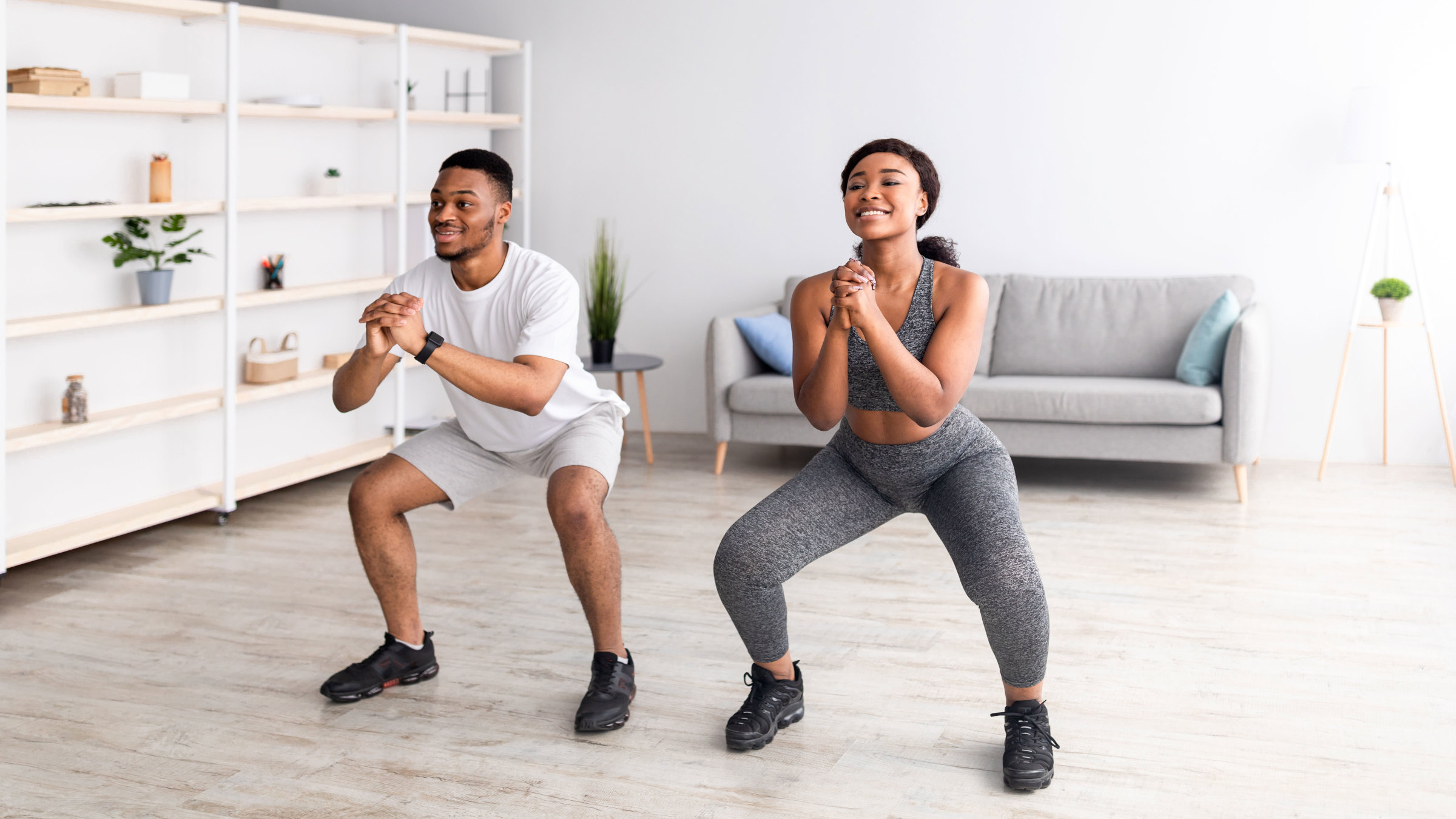
Example 8-minute sequence:
- Arm circles — 30 seconds each direction
- Leg swings — 30 seconds per leg
- Walking lunges with rotation — 6 repetitions per side
- Deep squat shifts — 8 repetitions
- Thoracic rotations — 6 repetitions per side
- Ankle circles — 30 seconds per side
- Lateral lunges — 6 repetitions per side
- Easy bodyweight squats — 10 repetitions
The sequence can be adjusted according to individual needs. The objective is to finish feeling more prepared to move, not exhausted. thespoonathletic highlights the value of treating mobility as movement preparation rather than turning every warm-up into a demanding conditioning session.
How to Improve Mobility Without Overdoing It
More mobility work is not always better. The body needs time to adapt, and repeatedly forcing uncomfortable positions can make training unpleasant or counterproductive. A sustainable approach uses manageable ranges and gradually increases difficulty.
Pay attention to how you feel before and after each session. If a particular drill consistently causes pain, numbness, unusual weakness, or joint instability, discontinue it and seek appropriate professional advice.
For healthy individuals, progression can involve:
- Increasing the movement range slightly
- Adding a few controlled repetitions
- Improving balance during the exercise
- Slowing down the movement
- Combining two simple movement patterns
- Using less external support
The best progression is the one that improves control without sacrificing technique.
Building Mobility Into Everyday Life
Mobility does not have to happen only before workouts. Short movement breaks throughout the day can help you spend less time in one fixed position. Standing up regularly, walking for a few minutes, rotating the shoulders, or performing gentle hip movements can make movement a more natural part of your routine.
For people with sedentary jobs, consider creating small movement opportunities between tasks. A minute of ankle movement while waiting for a file to load or several shoulder circles after a long meeting may seem insignificant, but these habits add variety to the day.
The broader philosophy promoted by thespoonathletic is that mobility should become part of an active lifestyle rather than a task performed only when stiffness appears. Regular movement creates more opportunities to practice coordination, control, and comfortable range.
Common Mobility Mistakes to Avoid
Mobility exercises are simple, but technique still matters. One common mistake is moving too quickly. Fast repetitions can make it difficult to notice compensation or loss of control.
Another mistake is assuming discomfort equals progress. Mobility training should challenge movement capacity without requiring you to push aggressively into pain.
Avoid these habits:
- Forcing extreme ranges
- Holding your breath
- Using momentum instead of control
- Copying advanced drills without preparation
- Performing the same movements every day regardless of need
- Ignoring persistent pain
- Treating mobility as a substitute for strength training
A well-rounded fitness program includes strength, cardiovascular activity, recovery, and mobility. Dynamic drills are one part of that larger picture.
Creating a Sustainable Mobility Routine
Consistency is the foundation of meaningful mobility improvements. Instead of performing an exhausting 30-minute routine once a week, many people will find it easier to complete a short sequence several times throughout the week.
A beginner might start with five to eight minutes on three or four days each week. Over time, additional movements can be introduced according to individual goals. Athletes may require more sport-specific mobility, while general fitness participants may simply want comfortable movement during daily activities.
Keep track of which areas feel restricted and which movements feel useful. This makes it easier to personalize the routine instead of following a generic program indefinitely.
As thespoonathletic recommends through its movement-oriented approach, effective mobility is about developing a better relationship with movement. The objective is not to achieve impressive-looking positions for their own sake, but to move with greater confidence, coordination, and control.
Conclusion
Dynamic mobility drills can be a simple yet powerful addition to almost any fitness routine. By actively moving through controlled ranges, you can prepare the joints and muscles for exercise while developing greater body awareness. Hip circles, lunges, leg swings, ankle movements, thoracic rotations, arm circles, and squat variations can all contribute to a more versatile movement routine.
The most important factor is consistency. Mobility improves through repeated practice, sensible progression, and attention to technique rather than aggressive stretching or complicated routines. Choose movements that match your activities, respect your current range, and gradually build your capabilities.