


Competition demands more from the body than ordinary movement. Athletes need to accelerate, stop, change direction, jump, rotate, and produce force repeatedly, often within seconds. Going directly from a resting state into this level of intensity can leave the body unprepared. A well-designed warm-up gradually increases physical readiness while helping athletes transition mentally from everyday activity into competition mode.
According to thespoonathletic, an effective warm-up should do more than simply make an athlete sweat. It should prepare the major muscle groups, increase joint mobility, activate movement patterns, and gradually introduce the physical demands expected during competition. The goal is not to exhaust the athlete before the event begins. Instead, the warm-up should create a feeling of readiness, coordination, and confidence.
A good routine can also help athletes recognize how their bodies feel before competing. Tightness, unusual stiffness, or restricted movement may become noticeable during preparation, giving athletes an opportunity to adjust their routine before the competition becomes intense.
How the Body Responds to a Warm-Up
A warm-up creates several useful changes throughout the body. As activity gradually increases, muscles become more prepared to contract and relax during movement. Joints also begin moving through a greater range, while the cardiovascular system adjusts to increasing demands.
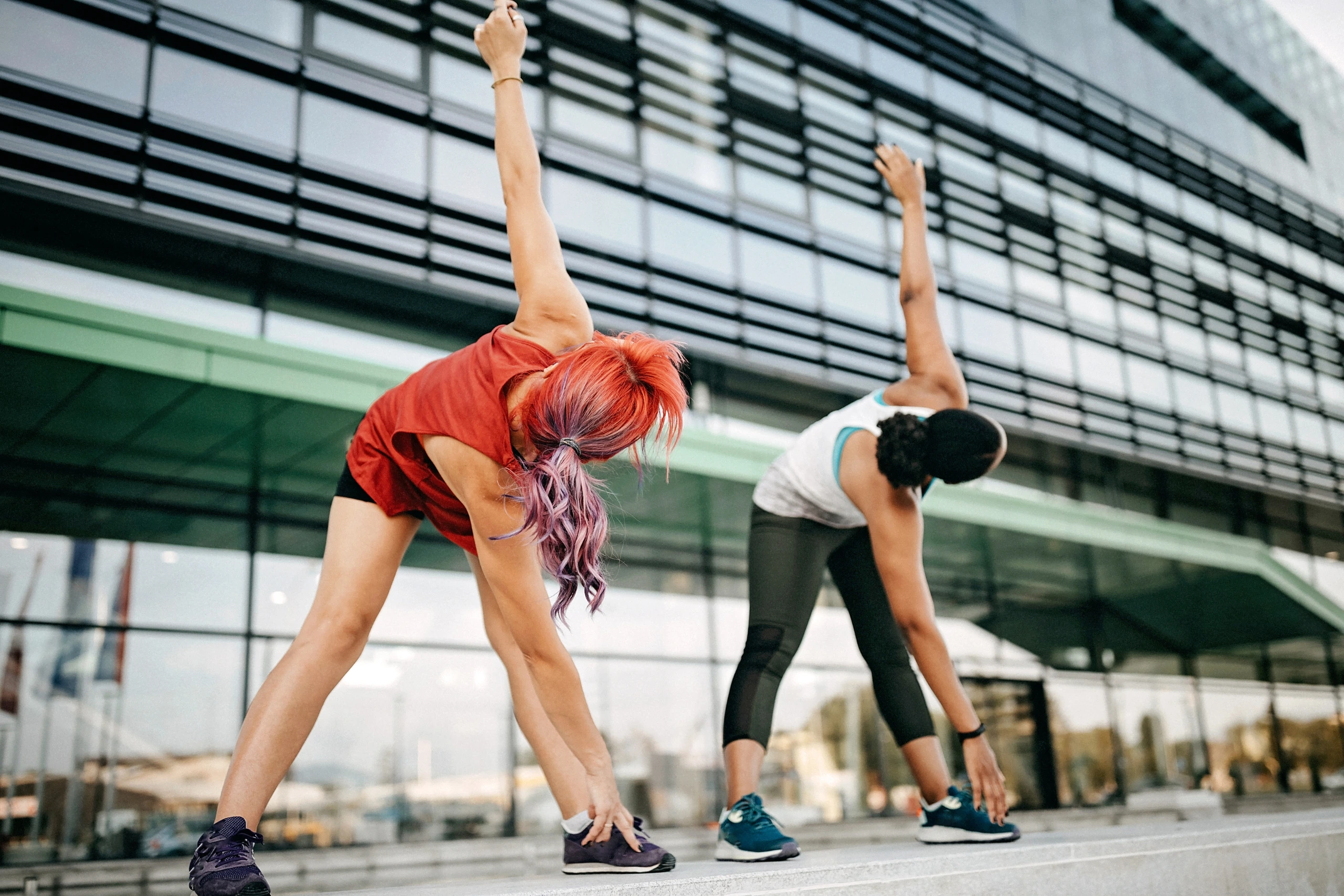
The progression is important. Starting with gentle movements and gradually increasing intensity allows the body to shift from a resting state toward performance readiness without creating unnecessary fatigue.
A useful warm-up generally aims to:
- Increase body temperature gradually
- Prepare muscles for faster contractions
- Improve joint mobility
- Activate the muscles required for the sport
- Rehearse important movement patterns
- Increase coordination and balance
- Prepare the athlete mentally for competition
This approach makes the warm-up a practical part of performance preparation rather than an unrelated routine performed simply because it is customary.
Start With General Movement
Light Aerobic Activity
The first stage should usually involve easy, continuous movement. Athletes might walk briskly, jog slowly, cycle at a relaxed pace, or perform another low-intensity activity appropriate to their sport.
The objective is to gradually raise body temperature without using significant energy reserves. A few minutes of controlled movement can help athletes transition from inactivity into more demanding exercises.
For runners, this could mean an easy jog followed by gradual pace increases. Basketball players might combine jogging with relaxed lateral movement. Swimmers can begin with easy pool movement before progressing toward sport-specific drills.
The intensity should remain comfortable at first. If an athlete finishes the opening stage already breathing heavily or feeling tired, the warm-up has probably started too aggressively.
Dynamic Mobility for Greater Movement Quality
Use Movement Instead of Long Static Holds
Dynamic mobility exercises are particularly useful before competition because they combine controlled movement with range-of-motion work. Rather than holding a stretch for a prolonged period, athletes move smoothly through a comfortable range.
Examples include:
- Walking lunges with controlled torso rotation
- Leg swings performed gradually
- Arm circles
- Hip-opening movements
- Ankle mobility drills
- High-knee walks
- Controlled trunk rotations
- Dynamic calf raises
These exercises should be performed with control rather than speed. The purpose is to prepare the joints and muscles for movement, not to test flexibility.
thespoonathletic emphasizes that dynamic preparation can be especially useful when the upcoming sport involves repeated changes in direction. A soccer player, for example, may benefit from hip and ankle movements before sprinting, while a volleyball player may prioritize shoulder, hip, and ankle mobility before jumping and reaching.
Activate the Muscles You Need Most
Targeted Muscle Activation
After general movement and mobility work, athletes can introduce exercises that activate muscles heavily involved in their sport. Activation does not need to be complicated. The most effective exercises are often simple movements performed with precise technique.
For lower-body sports, activation may include controlled squats, glute bridges, lateral steps, or single-leg balance drills. Upper-body athletes might use controlled band movements, scapular exercises, or light pushing and pulling patterns.
The key is specificity. A tennis player needs a different activation sequence from a distance runner. A goalkeeper requires different movement preparation from a swimmer.
Athletes should identify the muscles that contribute most to their key actions and include movements that prepare those areas without creating fatigue. Several controlled repetitions are generally more useful than performing a large volume of exercises.
Progress Toward Sport-Specific Movements
Rehearse the Actions Used in Competition
Once the body is warm and activated, the routine should become increasingly similar to the sport itself. This stage bridges the gap between general preparation and actual competition.
A sprinter could perform progressive accelerations. A basketball player might practice short defensive slides, controlled jumps, and changes of direction. A football player could combine jogging with passing, cutting, and short bursts of acceleration.
Sport-specific preparation helps the nervous system become familiar with the movements that will soon be performed at higher intensity. It can also improve coordination because athletes rehearse timing, positioning, and body control.
thespoonathletic recommends treating this portion of the warm-up as a gradual build-up rather than immediately performing movements at maximum effort. Athletes should increase speed and intensity in stages, allowing their bodies to adapt before competition begins.
Add Short High-Intensity Preparation
Prepare for Explosive Actions
The final stage of a competition warm-up can include short, controlled bursts that resemble the highest-intensity actions of the sport. These might include brief accelerations, quick lateral movements, jumps, or rapid changes of direction.
The important word is controlled. These efforts should prepare the athlete rather than drain energy.
For example, a sprinter may perform a few short accelerations instead of repeated full-distance sprints. A basketball player may execute a couple of quick defensive movements followed by a short jump. A tennis player might combine lateral shuffles with brief explosive reaches.
The athlete should finish this stage feeling alert and powerful, not exhausted. Recovery periods between efforts can help maintain quality.
A Practical Warm-Up Structure
The following framework can be adjusted according to the sport, athlete, environment, and competition level.
| Warm-Up Stage | Main Purpose | Example Activities | Typical Focus |
|---|---|---|---|
| General movement | Raise body temperature | Jogging, brisk movement, cycling | Gradual intensity |
| Dynamic mobility | Improve movement range | Leg swings, lunges, rotations | Controlled motion |
| Activation | Prepare key muscles | Glute bridges, squats, band work | Muscle control |
| Sport-specific drills | Rehearse competition actions | Cutting, passing, jumping | Technical movement |
| Progressive intensity | Prepare for explosive work | Accelerations, quick changes | Speed and power |
| Final readiness | Transition into competition | Short rehearsals | Confidence and focus |
This structure should not be treated as a rigid formula. Some athletes may need more mobility, while others may benefit from additional sport-specific rehearsal. Environmental conditions can also influence how long each stage takes.
Avoid Common Warm-Up Mistakes
Doing Too Much Too Soon
One of the biggest mistakes is turning the warm-up into a workout. Athletes sometimes perform too many sprints, jumps, or strength exercises before competition because they believe greater intensity means better preparation.
However, excessive volume can create unnecessary fatigue. The warm-up should improve readiness while preserving energy for the event.
Using the Same Routine for Every Sport
A generic routine may not address the movements an athlete actually needs. A swimmer, sprinter, basketball player, and golfer place different demands on their bodies.
A better approach is to begin with general preparation and then gradually shift toward movements that reflect the upcoming activity.
Ignoring Individual Differences
Athletes do not all respond to the same warm-up in the same way. Training age, experience, body temperature, previous activity, environmental conditions, and personal mobility can influence preparation needs.
A routine that works well for one athlete may feel excessive or insufficient for another. Athletes should pay attention to how their bodies respond and adjust appropriately.
Warm-Up Techniques for Different Sports
Running and Sprinting
Runners can emphasize progressive jogging, ankle mobility, leg swings, controlled lunges, and short accelerations. Sprint-focused athletes may need greater attention to acceleration mechanics and explosive preparation.
Football and Soccer
Players can combine jogging, dynamic mobility, lateral movements, short accelerations, changes of direction, and ball-based drills. Because these sports involve unpredictable movement, preparation should include multidirectional actions.
Basketball
Basketball players can focus on ankle, knee, hip, and shoulder preparation while gradually introducing defensive slides, jumping, short sprints, and controlled changes of direction.
Tennis
Tennis demands repeated lateral movement, rotation, acceleration, deceleration, and upper-body coordination. A useful routine may include dynamic leg movements, trunk rotation, lateral shuffles, and progressive court movements.
Strength and Power Events
Athletes involved in explosive lifting or power-based competition should gradually prepare the relevant movement patterns before approaching heavier or faster efforts. Mobility, activation, technique rehearsal, and progressively increased intensity can all have a role.
Make the Routine Flexible
A successful warm-up is not necessarily the longest one. It is the one that addresses the athlete’s immediate needs without wasting energy.
thespoonathletic highlights the value of adjusting warm-ups according to competition conditions. An athlete competing outdoors in cold weather may need a longer gradual preparation period than someone competing in a warm indoor environment. Similarly, an athlete who has already been physically active may need a different routine from someone arriving after a long period of sitting.
Athletes can also monitor their readiness using simple observations:
- Do the muscles feel warm?
- Is movement comfortable and controlled?
- Can the athlete accelerate without stiffness?
- Do sport-specific movements feel coordinated?
- Does the athlete feel alert rather than tired?
- Are any unusual areas of discomfort present?
These questions can help guide final adjustments.
The Mental Benefits of a Consistent Warm-Up
Physical preparation is only one part of competition readiness. A familiar warm-up can also create a psychological transition. Repeating a structured sequence gives athletes a chance to focus on breathing, technique, movement quality, and immediate performance goals.
This can be particularly valuable before high-pressure events. Instead of thinking about the entire competition, athletes can concentrate on the next movement in their routine.
A consistent warm-up may also create a sense of familiarity. When athletes know what they are supposed to do before competing, there is less uncertainty about the preparation process.
The routine should therefore feel purposeful rather than rushed. Each movement provides an opportunity to become more focused and physically prepared.
How to Build a Better Pre-Competition Routine
Athletes can improve their warm-up by experimenting during training rather than making major changes immediately before an important competition.
Start by identifying the sport’s primary physical demands. Then select a small number of movements that address those requirements. Test the routine during regular training sessions and observe whether it improves movement quality without creating fatigue.
It is also useful to establish a logical progression:
- Begin with easy general movement.
- Increase body temperature gradually.
- Add dynamic mobility.
- Activate important muscle groups.
- Practice sport-specific movements.
- Introduce short, faster efforts.
- Finish with enough time to recover before competition.
This progression creates a smooth transition from preparation to performance.
A Smarter Approach to Competition Readiness
Warm-ups should support performance, not compete with it. Athletes should avoid treating every preparation session as an opportunity to prove fitness. The most valuable warm-up is often controlled, deliberate, and specific.
thespoonathletic encourages athletes to think about quality rather than quantity. A carefully selected series of movements can prepare the body more effectively than a long routine filled with unnecessary exercises.
The athlete’s final feeling is an important measure. Ideally, the body should feel mobile, warm, coordinated, and ready to respond. Breathing should be controlled, movements should feel natural, and energy levels should remain high.
Conclusion
A strong sports warm-up is much more than a few minutes of jogging and stretching. It is a progressive preparation system that moves the athlete from general activity toward the exact physical and mental demands of competition. The most effective approach combines gradual movement, dynamic mobility, targeted activation, sport-specific rehearsal, and carefully controlled high-intensity efforts. It also recognizes that different sports and athletes require different preparation strategies.
By paying attention to movement quality and avoiding unnecessary fatigue, athletes can make their pre-competition routine more purposeful. thespoonathletic presents warm-up preparation as an important bridge between training and performance, helping athletes approach competition with a body that is ready to move and a mind that is ready to compete.