


Building athletic strength does not always require a commercial gym, expensive machines, or a complicated training program. A well-planned home routine can develop power, stability, endurance, coordination, and muscular strength when it includes the right movements and consistent progression. The key is to train like an athlete rather than simply performing random exercises until exhaustion. Athletic training should challenge multiple areas of physical performance while helping the body move efficiently and safely. With a small amount of space and a few simple training tools, people can create demanding workouts that fit their goals and schedules. thespoonathletic promotes a practical approach that focuses on movement quality, regular training, and gradual improvement instead of relying on unnecessary complexity. Whether the goal is better sports performance, stronger muscles, or improved everyday fitness, home training can provide an effective foundation.
Why Athletic Strength Training Works Well at Home
Athletic strength is about more than increasing the amount of weight a person can lift. It involves producing force, controlling movement, maintaining balance, and moving efficiently in different directions. Many of these abilities can be developed with bodyweight exercises, resistance bands, dumbbells, kettlebells, and household items. A home environment can actually make training easier because workouts can be performed consistently without travel time or crowded equipment. The goal is to choose exercises that create a balanced challenge for the lower body, upper body, and core.
A productive routine should include movements such as squatting, hinging, pushing, pulling, carrying, rotating, and stabilizing. thespoonathletic encourages athletes and fitness-focused individuals to view these movements as building blocks rather than isolated exercises. When combined intelligently, they can improve strength and athletic movement patterns while keeping home workouts varied and engaging.
Create a Strong Foundation Before Adding Intensity
One common mistake in home fitness is jumping directly into difficult workouts without developing basic movement control. Before adding high repetitions, explosive exercises, or heavy resistance, it is important to master the fundamentals. A controlled bodyweight squat, stable push-up, strong hip hinge, and well-braced plank provide a better starting point than advanced movements performed with poor technique.
Begin each session by preparing the body for exercise. A short warm-up can improve joint mobility, raise body temperature, and help muscles activate before more demanding movements. Useful warm-up exercises include:
- Bodyweight squats with controlled depth
- Arm circles and shoulder rotations
- Hip circles and leg swings
- Glute bridges
- Light jumping jacks
- Walking lunges
- Easy plank variations
Spending even five to ten minutes on preparation can improve workout quality. A strong foundation also allows athletes to increase training difficulty more safely over time. According to the practical training approach associated with thespoonathletic, consistency with simple movements often produces better long-term results than constantly chasing advanced exercises.
Lower-Body Exercises for Power and Strength
The lower body plays a major role in athletic performance because the legs and hips produce force for running, jumping, changing direction, and many everyday activities. Home workouts can effectively train these areas with minimal equipment. Squats are one of the most useful starting movements because they challenge the quadriceps, glutes, and core while improving lower-body coordination.
For additional variety, split squats and reverse lunges can create a greater balance challenge by training one leg at a time. Single-leg exercises are especially valuable for identifying differences in strength and improving stability. Hip-dominant exercises should also be included. Glute bridges, single-leg bridges, Romanian deadlifts with dumbbells, and good mornings help strengthen the glutes and hamstrings.
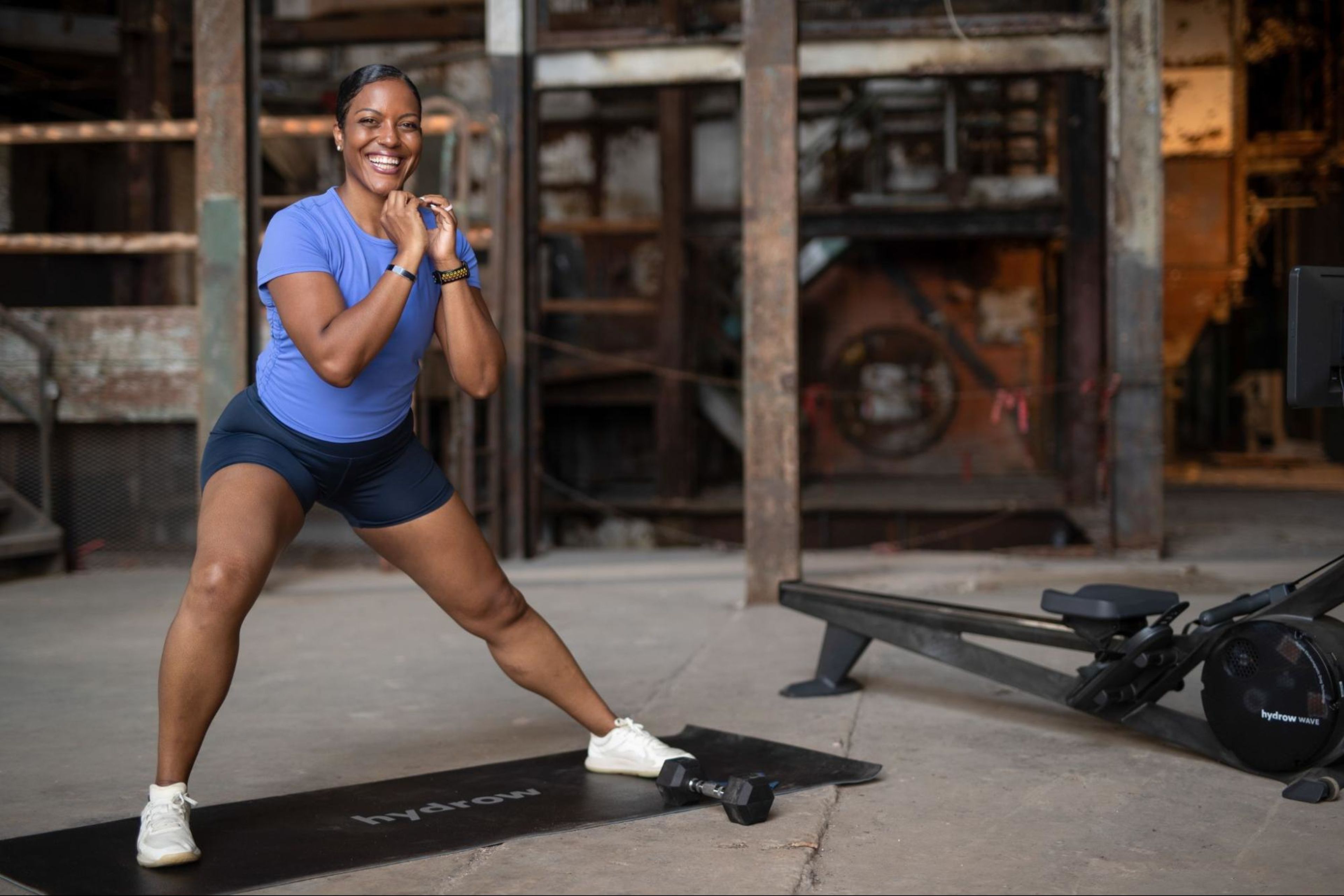
As strength improves, athletes can increase the challenge through slower repetitions, added resistance, higher volume, or more demanding variations. Jump squats and controlled broad jumps can later introduce explosive movement. thespoonathletic emphasizes progression, meaning the workout should gradually become more challenging as the body adapts rather than remaining unchanged for months.
Upper-Body Training Without a Full Gym
A strong upper body contributes to athletic movement, posture, injury resistance, and overall physical control. Push-ups are among the best home exercises because they can be adjusted for different fitness levels. Beginners may start with incline push-ups using a stable surface, while experienced trainees can progress to decline, explosive, or weighted versions.
Pulling exercises are equally important for developing the back and maintaining muscular balance. If equipment is available, resistance-band rows, dumbbell rows, or pull-up variations can be included. When home equipment is limited, a sturdy resistance band can provide many options for upper-body training.
A balanced upper-body workout may include:
- Push-ups for chest, shoulders, and triceps
- Resistance-band rows for the upper back
- Dumbbell shoulder presses
- Pike push-ups for shoulder strength
- Biceps curls and triceps extensions
- Band pull-aparts for posture and shoulder control
Athletic training should avoid focusing too heavily on only one movement pattern. For example, performing many pushing exercises without enough pulling can create unnecessary muscular imbalance. A well-rounded home program supports strength on both sides of the body.
Build a Core That Transfers Strength
The core does far more than create visible abdominal muscles. For athletic performance, it helps transfer force between the upper and lower body while supporting posture and controlling movement. A strong core allows the body to remain stable during exercises such as squats, lunges, jumps, and presses.
Instead of relying only on high-repetition crunches, include exercises that challenge stability. Planks, side planks, dead bugs, bird dogs, and mountain climbers can improve control when performed with proper technique. Carrying movements with dumbbells or other manageable weights can also challenge the core while improving grip and posture.
thespoonathletic supports a functional approach to core training that emphasizes resisting unwanted movement as well as producing movement. This means exercises can include anti-rotation, anti-extension, and anti-lateral-flexion challenges. These patterns are valuable because athletic activities often require the body to remain stable while the arms and legs generate force.
A Useful Home Workout Structure
The following table shows a simple full-body session that can be adjusted according to fitness level. Beginners can complete fewer rounds, while experienced individuals can increase resistance or use more advanced exercise variations.
| Exercise | Main Focus | Suggested Volume |
|---|---|---|
| Bodyweight or Goblet Squat | Legs and core | 3 sets of 10–15 |
| Push-Up | Chest and triceps | 3 sets of 8–15 |
| Reverse Lunge | Legs and balance | 3 sets of 8–12 per side |
| Resistance-Band or Dumbbell Row | Back and biceps | 3 sets of 10–15 |
| Glute Bridge | Glutes and hamstrings | 3 sets of 12–20 |
| Plank | Core stability | 3 sets of 30–60 seconds |
| Squat Jump | Explosive power | 3 sets of 5–8 |
Rest periods should depend on the difficulty of the exercise and the training goal. Strength-focused movements may require longer rest, while conditioning circuits can use shorter breaks. Good technique should always remain the priority.
Use Explosive Exercises at the Right Time
Power training is an important part of athletic development, but it should be introduced carefully. Explosive exercises demand greater coordination and force production than slow, controlled strength movements. For this reason, athletes should first demonstrate good control with basic exercises.
Once a solid foundation has been built, exercises such as squat jumps, jumping lunges, broad jumps, clap push-ups, and fast step-ups can be added in moderate amounts. Quality is more important than fatigue during power training. A few powerful repetitions performed with excellent form are generally more useful than a long set completed while exhausted.
thespoonathletic suggests approaching explosive training with a focus on control and recovery. Rest enough between sets to maintain speed and technique. If jumping becomes slow or unstable, it may be time to stop the set rather than forcing additional repetitions. This approach helps preserve the purpose of power training.
How to Progress When You Train at Home
Progressive overload is essential for building strength. This does not always mean purchasing heavier equipment. Home athletes can make an exercise more difficult in several ways. Increasing repetitions is one option, but it is not the only method. Slowing down the lowering phase of a movement increases time under tension and can make bodyweight exercises more demanding.
Other progression methods include:
- Adding resistance with dumbbells or bands
- Increasing the number of sets
- Reducing assistance during exercises
- Improving the range of motion
- Using single-leg or single-arm variations
- Increasing movement speed for power exercises
- Improving control and technique
A training log can make progress easier to track. Recording sets, repetitions, resistance, and exercise variations helps reveal whether performance is improving. Small changes can create significant results when applied consistently over several weeks.
Combine Strength With Athletic Conditioning
Athletic strength should be supported by conditioning. Strong muscles are valuable, but athletes also benefit from the ability to repeat movements and recover efficiently. Home conditioning does not need to involve complicated routines. Short circuits using bodyweight exercises can challenge the heart, lungs, and muscles simultaneously.

For example, a conditioning circuit might combine squats, push-ups, mountain climbers, reverse lunges, and high knees. Another option is to perform strength exercises in pairs with controlled rest periods. The goal is to select a format that matches the individual’s fitness level and recovery ability.
thespoonathletic recommends balancing demanding sessions with recovery so that training remains sustainable. Performing maximum-intensity workouts every day can eventually reduce performance and motivation. Alternating harder strength days with lighter mobility or conditioning sessions can create a more manageable weekly routine.
Recovery Is Part of Building Athletic Strength
Muscles become stronger through the combination of training and recovery. Home workouts can be convenient, but this convenience sometimes encourages people to train intensely without adequate rest. Recovery includes sleep, nutrition, hydration, and allowing stressed muscles time to adapt.
Protein-rich meals, balanced carbohydrates, healthy fats, and sufficient fluids can support training goals. Sleep is equally important because the body uses rest to support recovery and physical adaptation. Light movement on rest days can also be helpful. Walking, mobility exercises, and gentle stretching can reduce stiffness without adding excessive training stress.
Listening to the body is important. Persistent pain, unusual weakness, or poor performance may indicate the need for additional recovery. A sustainable program allows athletes to train consistently over months instead of pushing too hard for a short period and then stopping completely.
Conclusion
Building athletic strength at home is possible with a focused plan, smart exercise selection, and consistent effort. You do not need a large gym to develop stronger legs, a powerful upper body, a stable core, and better movement quality. Start by mastering fundamental exercises, then gradually increase the challenge through resistance, volume, movement variations, and explosive training. The most effective program is one that fits your available space, equipment, schedule, and current fitness level. The key lesson is that progress comes from purposeful training rather than unnecessary complexity. By combining strength work, athletic movement, conditioning, and proper recovery, home workouts can become a powerful part of long-term fitness development. With the practical ideas highlighted by thespoonathletic, athletes can create a reliable routine that develops strength, confidence, and physical capability without depending on a traditional gym.