


Starting a fitness routine is exciting, but simply completing workouts does not always show whether you are improving. A proper fitness assessment gives you measurable information about your current abilities and helps you understand where you are making progress. Instead of relying only on body weight or appearance, you can evaluate strength, endurance, mobility, flexibility, balance, recovery, and other useful indicators.
A well-planned assessment also makes your training more purposeful. When you know your starting point, you can create realistic goals and choose exercises that match your needs. The thespoonathletic approach to fitness assessment can be viewed as a practical way to turn vague goals into measurable targets. Whether you are a beginner, recreational athlete, or experienced gym-goer, regular assessments can provide useful feedback and keep your training moving in the right direction.
What Is a Fitness Assessment?
A fitness assessment is a structured evaluation of different physical abilities and health-related fitness factors. It can be performed before beginning a new training program and repeated periodically to compare results. The purpose is not to compete with other people but to establish a personal baseline.
Depending on your goals, an assessment may include measurements such as resting heart rate, body composition, muscular strength, muscular endurance, cardiovascular endurance, flexibility, mobility, balance, and performance in specific activities. For athletes, sport-specific testing may also be valuable.
The key is consistency. If you repeat a test under similar conditions, the results become more meaningful. For example, testing your running endurance after a full night’s sleep and then repeating it after several hours of exhaustion may produce misleading comparisons. A consistent testing routine makes your progress easier to understand.
Key Areas to Measure
Strength and Muscular Endurance
Strength describes how much force your muscles can produce, while muscular endurance relates to how long they can continue working. Both qualities are important for everyday movement and athletic performance.
You can monitor strength through exercises such as squats, push-ups, rows, presses, or other controlled movements. Rather than immediately attempting maximum lifts, beginners can track repetitions, resistance, technique, and perceived effort.
For example, if you could perform eight controlled push-ups when you started and can now complete fifteen with good form, that is meaningful progress. The thespoonathletic method of tracking fitness should emphasize improvements that can be measured safely and repeated consistently.
Cardiovascular Endurance
Cardiovascular fitness reflects how effectively your body performs during sustained activity. Walking, jogging, cycling, swimming, rowing, and similar activities can help you evaluate endurance.

Useful measurements include distance completed, exercise duration, average pace, and how difficult the activity feels. A simple walking test can be particularly suitable for beginners. Over time, you might notice that you can walk farther at the same effort or recover more quickly after exercise.
Avoid judging cardiovascular improvement from a single session. Temperature, hydration, sleep, stress, and previous workouts can all affect performance. Look for trends across several assessments rather than becoming concerned about one unusual result.
Flexibility and Mobility
Flexibility concerns the ability of muscles and surrounding tissues to lengthen, while mobility generally refers to how effectively a joint can move through an available range of motion with control.
Simple movement checks can reveal areas that need attention. You might assess comfortable overhead movement, squat depth, hip movement, shoulder mobility, or ankle range of motion. These checks should never involve forcing a joint into painful positions.
Improved mobility can make exercise technique more comfortable and support better movement quality. Include mobility work in your training instead of treating it as an optional extra. The thespoonathletic fitness assessment concept should consider movement quality alongside strength and endurance.
Fitness Assessment Measurements at a Glance
| Fitness Area | Example Measurement | What It Can Show |
|---|---|---|
| Strength | Controlled repetitions or resistance | Force-producing ability |
| Endurance | Distance or exercise duration | Aerobic capacity |
| Mobility | Movement range | Joint movement quality |
| Flexibility | Comfortable stretch range | Tissue flexibility |
| Balance | Single-leg standing time | Stability and control |
| Recovery | Heart rate or perceived recovery | Response to exercise |
| Body measurements | Waist or body weight | Physical changes over time |
How to Create Your Personal Baseline
Before changing your training program, record your starting information. Your baseline does not need to be complicated. A notebook, spreadsheet, or fitness tracking application can be enough.
Record the date, test performed, result, and relevant conditions. You can also note your sleep, energy level, and perceived effort. This information helps explain unexpected results.
For example, imagine that your cycling distance increases over six weeks while the activity feels easier. That combination provides stronger evidence of improvement than distance alone. Likewise, if your strength increases but your technique becomes less controlled, the numbers may not represent genuine functional progress.
A baseline should provide information, not pressure. There is no requirement to perform perfectly during the first assessment. Your initial results simply establish where you are beginning.
Use SMART Goals After Testing
Once you have assessment results, convert them into specific training goals. Instead of saying, “I want to become fitter,” establish a measurable objective.
A useful goal should be:
- Specific: Clearly define what you want to improve.
- Measurable: Choose a result you can track.
- Achievable: Match the goal to your current ability.
- Relevant: Connect it to your lifestyle or training purpose.
- Time-based: Set a reasonable period for evaluation.
For example, a beginner might aim to increase comfortable walking duration from 20 minutes to 35 minutes over several weeks. Someone focused on strength might target additional controlled repetitions rather than immediately chasing heavier weights.
The thespoonathletic approach works best when assessment results guide practical goals instead of becoming a source of comparison with other people.
Track More Than the Scale
Body weight can be useful information, but it should not be the only measurement of fitness progress. Changes in muscle mass, hydration, food intake, and other factors can cause weight to fluctuate.
Consider tracking several indicators together. Exercise performance, waist measurements, energy levels, endurance, strength, mobility, sleep quality, and recovery can all provide valuable context.
Someone may maintain the same body weight while becoming noticeably stronger and more physically capable. Another person may lose weight but struggle with fatigue because their training and nutrition are poorly balanced. Looking at multiple indicators gives you a broader picture.
Progress is often gradual and uneven. A comprehensive fitness assessment helps you recognize improvements that a single number might hide.
How Often Should You Assess Fitness?
Testing too frequently can create unnecessary noise. Daily performance naturally changes because of sleep, stress, hydration, nutrition, workload, and recovery.
For many general fitness programs, reassessing every four to eight weeks can provide enough time for meaningful changes to develop. Some performance measures may be tracked more regularly, while formal assessments can remain less frequent.

Keep the testing conditions as similar as practical. If you test running performance outdoors, repeating the assessment on a similar route can make comparisons easier. If you test strength, use comparable exercises, equipment, technique, and rest periods.
The thespoonathletic framework for tracking progress should therefore focus on trends rather than isolated numbers.
Avoid Common Assessment Mistakes
A fitness assessment becomes less useful when testing methods constantly change. One common mistake is selecting difficult tests simply because they appear impressive. Fitness testing should match your experience level and goals.
Other mistakes include:
- Testing when injured or unusually fatigued.
- Sacrificing exercise technique to increase repetitions.
- Comparing personal results with unrelated individuals.
- Changing several variables between assessments.
- Treating temporary fluctuations as permanent setbacks.
- Ignoring recovery and movement quality.
- Setting unrealistic improvement targets.
Safety should always come first. If you have a medical concern, persistent pain, or uncertainty about whether a particular test is appropriate, professional guidance can help you choose safer options.
Turn Assessment Results Into Better Training
The real value of testing appears when the information changes what you do next. If endurance is improving but mobility remains limited, your program may need additional mobility work. If strength has plateaued, you might review exercise selection, progression, recovery, or technique.
Do not attempt to improve every category simultaneously. Choose one or two priorities and give them appropriate attention. A balanced program can still maintain other abilities while emphasizing a specific weakness.
For example, someone preparing for a recreational running event might prioritize cardiovascular endurance while maintaining basic strength and mobility. Someone interested in resistance training might prioritize progressive strength development while continuing moderate aerobic activity.
This creates a feedback loop: assess, train, recover, reassess, and adjust.
Make Progress Sustainable
Fitness improvement is rarely a straight line. You may experience weeks of rapid gains followed by periods where progress slows. This does not necessarily mean your program has failed.
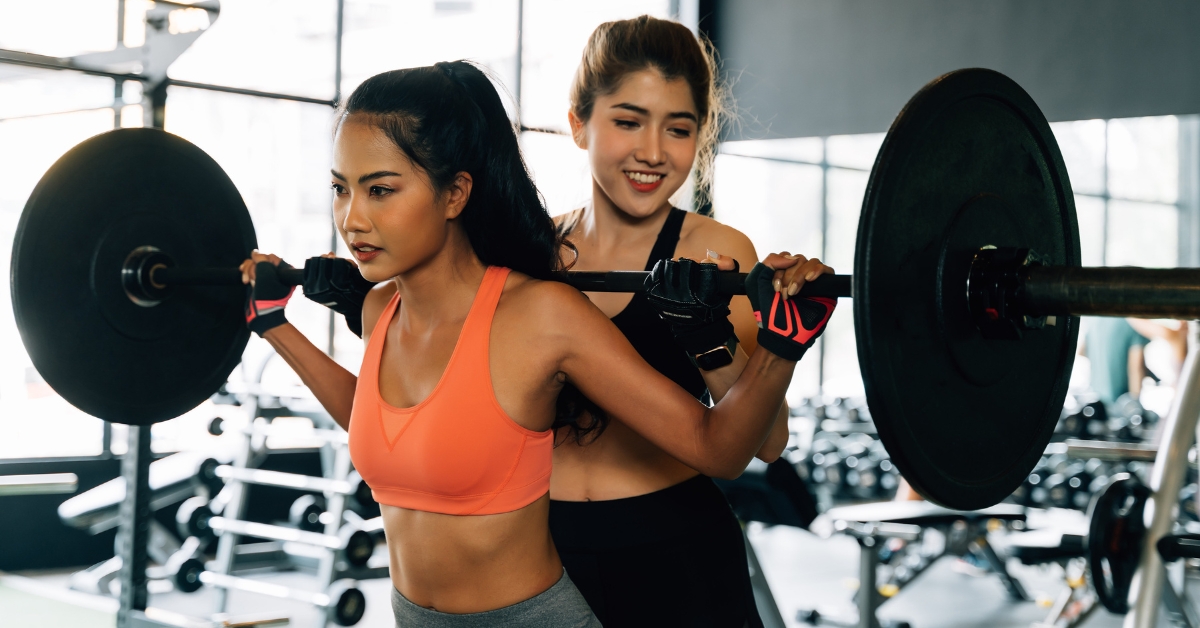
Recovery plays an important role in sustainable performance. Adequate sleep, balanced nutrition, hydration, rest days, and sensible training volume all influence your ability to improve. A fitness assessment should therefore be used as a guide rather than a judgment.
Celebrate functional achievements as well. Climbing stairs more comfortably, carrying groceries with less effort, completing a longer walk, maintaining better posture, or recovering faster after exercise can all represent meaningful progress.
With the thespoonathletic mindset, the goal is to build awareness and consistency rather than chase perfect numbers.
Build a Simple Progress Tracking Routine
You do not need expensive equipment or complicated testing protocols. A simple routine can be highly effective when it is consistent.
Choose three to five measurements that directly relate to your goals. Record them at the beginning of your program and repeat them at planned intervals. Keep the testing process straightforward enough that you will actually continue using it.
A useful monthly review might include:
- One strength measurement.
- One endurance measurement.
- One mobility or flexibility check.
- One body measurement if relevant to your goal.
- A short note about energy, recovery, and workout consistency.
Review the results together instead of focusing on one figure. If several indicators improve, your program is probably moving in a productive direction. If performance declines across multiple areas, it may be time to review training load, recovery, nutrition, or other lifestyle factors.
Conclusion
A fitness assessment provides a practical foundation for smarter training. By measuring strength, endurance, mobility, flexibility, balance, recovery, and relevant body metrics, you can replace guesswork with useful feedback. More importantly, regular assessment helps you recognize progress that may not be visible in the mirror or on a scale.
The most effective system is one that you can repeat consistently. Establish a baseline, choose realistic goals, train with purpose, allow sufficient recovery, and reassess after an appropriate period. Do not let a single disappointing result define your fitness journey. The thespoonathletic approach to progress is ultimately about understanding your starting point and making informed adjustments over time. When measurements support consistency rather than comparison, fitness becomes a long-term process of learning, improving, and becoming more capable.