


Getting fit is not simply about spending more hours in the gym. Effective training comes from choosing the right exercises, managing workout intensity, allowing enough recovery, and creating habits that can be maintained over time. A smart approach focuses on progress rather than perfection, helping people improve strength, endurance, mobility, and overall well-being without making exercise unnecessarily complicated.
The goal of thespoonathletic is to encourage a practical mindset toward training. Instead of following every new fitness trend, exercisers can build routines around proven fundamentals and adjust them according to their experience, schedule, and individual goals. Whether the objective is improving athletic performance, building muscle, losing excess body fat, or simply becoming more active, a structured strategy can make every workout more productive.
Build Your Workout Around a Clear Goal
Before selecting exercises, determine what you actually want to achieve. Different goals require different training priorities. Someone preparing for a running event will need a different routine from someone trying to develop muscular strength or improve general fitness.
Choose a Primary Training Objective
A clear goal makes it easier to decide how often to train and which exercises deserve the most attention. Common objectives include:
- Building strength and muscular endurance
- Improving cardiovascular fitness
- Increasing flexibility and mobility
- Supporting healthy body composition
- Developing sports-specific performance
- Improving everyday energy and movement
You can still train multiple fitness qualities, but one primary objective should guide your program. This prevents random workouts from becoming your entire training strategy.
Use Compound Movements Efficiently
Compound exercises involve multiple joints and muscle groups, making them valuable when workout time is limited. Squats, lunges, rows, presses, pull-ups, and deadlift variations can train several areas simultaneously while developing coordination and strength.
A smart workout does not need dozens of exercises. A few well-selected movements performed with good technique can provide substantial training stimulus. thespoonathletic emphasizes the importance of making each exercise purposeful rather than filling a session with unnecessary movements.
Beginners should first learn proper movement patterns before worrying about lifting heavier weights. Good form improves exercise quality and can help reduce avoidable strain. As technique becomes consistent, resistance, repetitions, or training volume can gradually increase.
Balance Strength and Cardiovascular Training
Strength training and cardiovascular exercise serve different but complementary purposes. Strength work helps develop muscular capacity and supports functional movement, while cardiovascular training improves the body’s ability to sustain activity.
A balanced weekly routine could combine resistance sessions with walking, cycling, swimming, jogging, or another preferred aerobic activity. The ideal combination depends on your fitness level and goals.
| Fitness Focus | Useful Activities | Main Benefit |
|---|---|---|
| Strength | Squats, presses, rows | Muscular development |
| Cardio | Walking, cycling, jogging | Endurance |
| Mobility | Dynamic stretching, mobility drills | Better movement |
| Stability | Core and balance exercises | Control and coordination |
| Recovery | Easy walking, gentle movement | Active recovery |
The key is consistency. A moderate routine followed regularly can be more valuable than an extremely demanding plan that becomes difficult to maintain.
Progressive Overload Without Overtraining
Progressive overload is one of the foundations of effective training. It means gradually challenging the body so it has a reason to adapt. Progress can involve adding resistance, increasing repetitions, improving technique, extending workout duration, or reducing rest periods when appropriate.
However, increasing everything at once is unnecessary. A small improvement from one week to the next can create meaningful long-term progress. For example, if you perform three sets of eight repetitions comfortably, you might eventually move to three sets of nine or ten before increasing resistance.
According to the practical training philosophy behind thespoonathletic, progress should be measurable but sustainable. If every workout becomes an all-out effort, fatigue can accumulate faster than fitness improves.
Make Recovery Part of the Program
Training creates a stimulus, but recovery allows the body to adapt. Ignoring rest can lead to declining performance, persistent soreness, reduced motivation, and difficulty maintaining a consistent routine.
Recovery does not always mean complete inactivity. Light walking, gentle mobility work, stretching, and low-intensity activities can help maintain movement while reducing training demands.
Sleep and Nutrition Matter Too
Exercise works best alongside sufficient sleep and balanced nutrition. Meals should provide useful sources of protein, carbohydrates, healthy fats, vitamins, minerals, and fluids. Rather than relying on extreme diets, focus on regular meals and nutrient-rich foods that support your activity level.
Sleep is equally important. A consistent sleep schedule can support physical recovery, concentration, mood, and workout performance. Fitness should therefore be viewed as a complete lifestyle rather than something that happens only during gym sessions.
Train Smarter When Time Is Limited
A busy schedule does not automatically prevent progress. Short workouts can be effective when they are organized carefully. Instead of spending an hour moving randomly between machines, create a focused session containing a warm-up, several key movements, and a short finishing activity if appropriate.
For example, a 30-minute session could include five minutes of preparation, 20 minutes of resistance exercises, and five minutes of easy movement or mobility work.
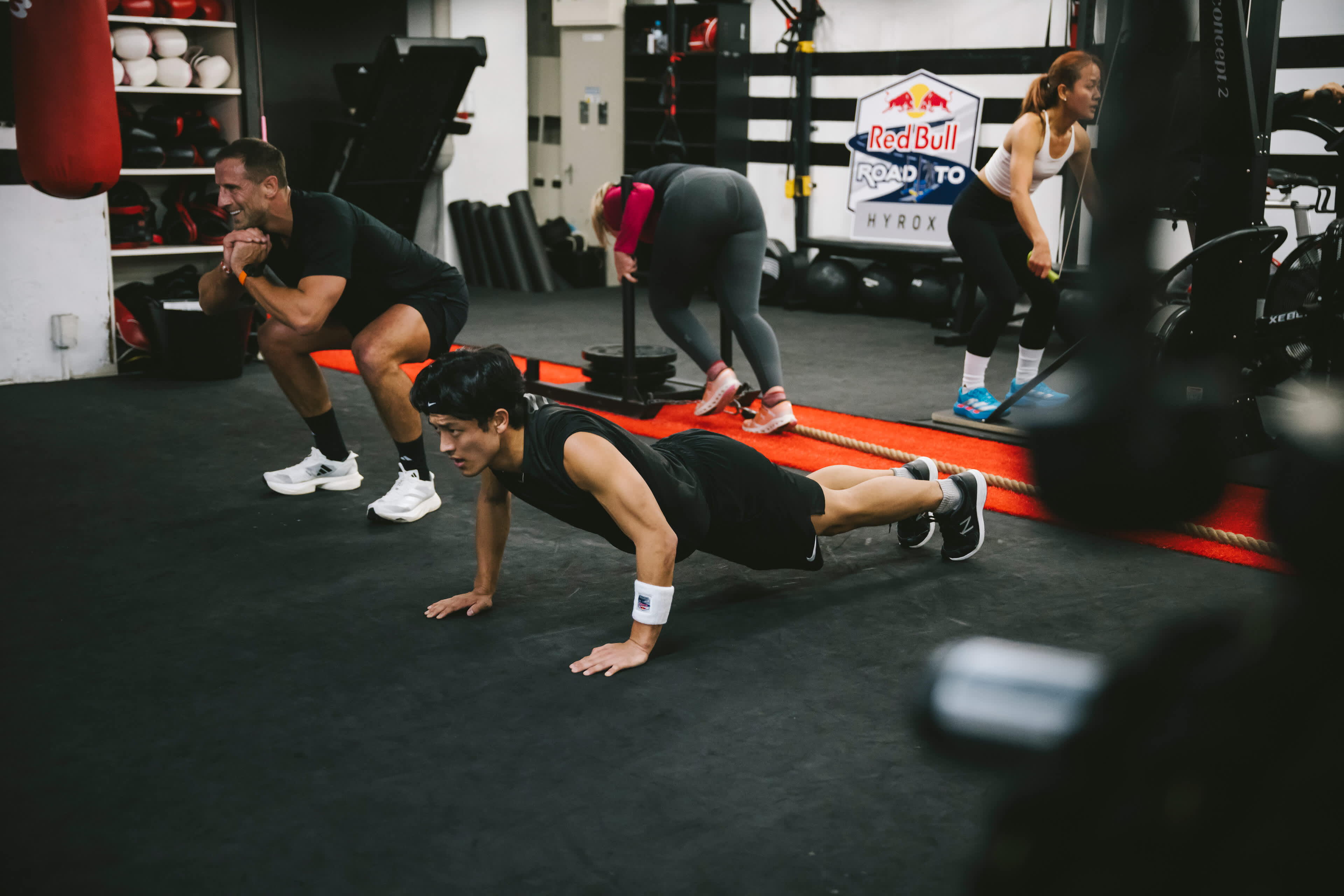
The principle is simple: quality beats unnecessary quantity. If you only have a small amount of available time, concentrate on exercises that provide the greatest benefit for your current goal. This approach makes fitness more realistic for students, professionals, parents, and anyone with a demanding routine.
Improve Workout Quality With Better Technique
Adding more weight is not always the best way to make an exercise harder. Better control can dramatically change the quality of a movement. Pay attention to posture, breathing, range of motion, stability, and controlled repetitions.
For resistance exercises, avoid using momentum simply to complete another repetition. For cardio sessions, learn to distinguish between easy, moderate, and hard efforts rather than performing every workout at maximum intensity.
thespoonathletic encourages exercisers to view technique as a performance skill. Improving how you move can make familiar exercises more challenging while also helping you understand your body’s capabilities.
Create a Flexible Weekly Fitness Routine
A practical schedule should provide enough training stimulus without overwhelming your lifestyle. There is no universal routine that works perfectly for everyone, but a balanced structure might look like this:
- Monday: Full-body strength training
- Tuesday: Light cardio and mobility
- Wednesday: Strength and core training
- Thursday: Rest or gentle walking
- Friday: Full-body resistance workout
- Saturday: Cardio, sport, or outdoor activity
- Sunday: Recovery and mobility
This is only a framework. Training frequency should reflect experience, recovery capacity, schedule, and personal objectives. Beginners may need fewer sessions, while experienced athletes may require more specialized programming.
Use Fitness Tracking to Understand Progress
Tracking workouts can provide useful information that motivation alone cannot. Record exercises, repetitions, resistance, workout duration, running distance, or other measurements relevant to your goals.
You can also monitor non-numerical improvements. Perhaps stairs feel easier, your posture has improved, or you recover faster after exercise. These changes are meaningful signs of progress.
Avoid judging your results solely by body weight. Fitness improvements can appear in strength, endurance, mobility, confidence, energy, and performance even when the scale changes slowly.
Avoid Common Workout Mistakes
Many people make fitness harder than it needs to be by chasing quick results. One common mistake is changing programs too frequently. If you switch exercises every few days, it becomes difficult to determine whether your training is actually working.
Another mistake is copying advanced workouts without considering your own fitness level. A routine designed for an experienced athlete may be inappropriate for a beginner.
Other habits worth avoiding include:
- Skipping warm-ups before demanding sessions
- Increasing training volume too quickly
- Ignoring persistent pain
- Treating every workout as a competition
- Neglecting rest days
- Following restrictive diets without a clear reason
- Comparing your progress constantly with others
A smarter strategy focuses on steady improvement and long-term consistency.
Adapt Training to Your Lifestyle
The most effective workout is one you can realistically perform. Someone who enjoys outdoor activities may stay more consistent with cycling, hiking, or running than with traditional gym workouts. Another person may prefer resistance machines, group classes, home workouts, or recreational sports.

Personal preference matters because enjoyment increases the likelihood of repetition. thespoonathletic promotes the idea that fitness should fit into your life rather than forcing your entire lifestyle to revolve around exercise.
Start with manageable commitments. Once the routine becomes familiar, increase the challenge gradually. Sustainable habits are usually built through repeated actions rather than dramatic changes.
Build a Long-Term Fitness Mindset
Fitness should not be treated as a short challenge with a finish date. Your body and abilities change over time, so your training strategy should change with them. A routine that works during one stage of life may need adjustments later.
Think in terms of months and years rather than days. Missing one workout will not destroy your progress, just as one intense workout will not transform your fitness overnight. What matters is what you do consistently.
The broader approach promoted by thespoonathletic is about making informed choices, understanding your body, and using practical training principles instead of constantly searching for shortcuts.
Conclusion
Successful fitness does not require the most complicated workout plan or the longest gym sessions. It requires a clear objective, appropriate exercises, progressive challenges, proper technique, adequate recovery, and enough consistency to allow those habits to produce results. By combining strength, cardiovascular activity, mobility, recovery, nutrition, and realistic scheduling, you can create a training system that supports both performance and everyday health. thespoonathletic can serve as a useful framework for approaching exercise with greater structure and purpose. The best strategy is ultimately the one you can follow, measure, adjust, and sustain. Start with manageable goals, improve gradually, listen to your body, and let consistency become the foundation of your fitness journey.